

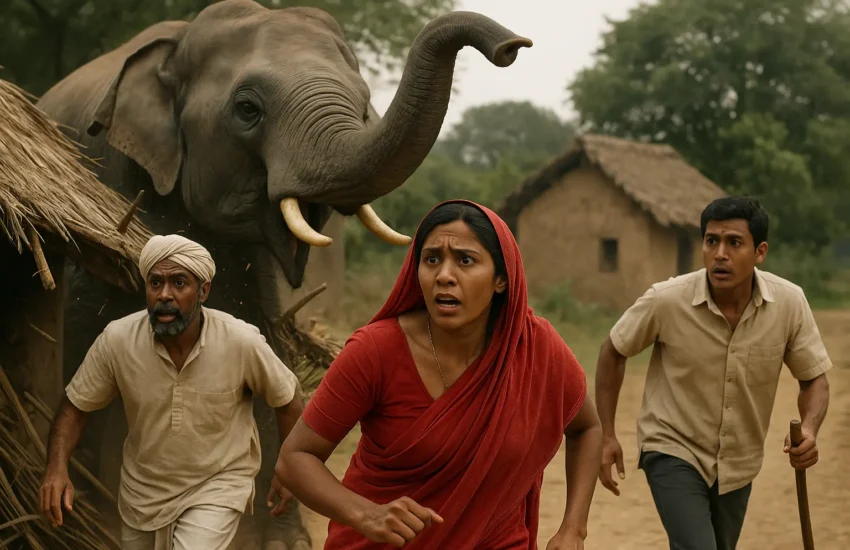
Rising Elephant Attacks in Chhattisgarh: What’s Driving
Elephant attacks in Chhattisgarh
have escalated dramatically over the last decade, turning tranquil forest regions into hotspots of fear and loss. The rise in incidents from districts such as Korba and Balrampur now includes frequent casualties, crop damage, and widespread property destruction. This crisis is driven by shrinking elephant habitats, blocked migration corridors, and intense human encroachment—creating a collision between expanding communities and ancient wildlife pathways.
The Alarming Numbers Behind the Conflict
Recent Forest Department data paints a dire picture:
Chhattisgarh has witnessed more than 150 human deaths due to elephant-human encounters in just the past few years, along with multiple elephant fatalities. Between 2019 and 2024, state records show 303 human deaths—15% of India’s total, while Chhattisgarh hosts only 1% of the nation’s elephants. Once restricted to dense sal forests, elephants in districts like Korba are now regularly sighted in farmlands and even semi-urban settings. Places like Balrampur and Surguja often wake to the sounds of destruction and distress as herds invade fields and villages.
The growing elephant population in north Chhattisgarh faces blocked movement corridors, hemmed in by roads, mines, and new settlements—forcing hungry herds into human-dominated zones in search of food and water.
A Deep Dive Into the Causes
Habitat Loss and Fragmentation
Deforestation from mining and industrial development has devastated Chhattisgarh’s forest cover. Reports indicate thousands of hectares diverted for coal and infrastructure every year, shredding the elephants’ migration corridors connecting Odisha, Jharkhand, and Chhattisgarh. With food and space dwindling, elephants roam longer distances, often through villages and farmland.
Rapid Industrialization
Districts such as Korba, Raigarh, and Surajpur have seen a surge in mining and coalfields. Noise, light pollution, and vibrations from these operations disrupt elephant senses, provoke stress, and fuel unpredictable behavior, bringing herds into closer contact with local communities.
Agricultural Expansion and Human Encroachment
Cultivated land has expanded rapidly over the past 20 years, with sugarcane, paddy, and maize fields acting as magnets for elephants. Once discovered, these abundant food sources bring herds back repeatedly, compounding losses for farmers throughout the region.
Climate Change
Unpredictable rainfall patterns, droughts, and shrinking water resources drive elephants toward villages, where they raid wells, irrigation tanks, and ponds. As water bodies in the forest disappear, human-elephant proximity—and thus risk—increases.
The Human Toll: Fear, Loss, and Frustration
Villagers in Katghora and Balrampur’s Rajpur block now live in perpetual vigilance, often constructing watch-towers for overnight field patrols. Every year, families suffer the loss of crops, homes, and, tragically, loved ones. The economic impact amounts to lakhs lost in agriculture, property destruction, and enduring psychological hardship. Reverence for the elephant, once entwined with Lord Ganesha, is fading under the shadow of constant threat.
The Elephant’s Perspective
It is vital to recognize that elephants are not inherently aggressive. Their anger and violence stem from stress, hunger, and fractured herd dynamics. Korba’s elephants historically migrated between Jharkhand and Chhattisgarh; blocked by mines and roads, many became resident, confined to smaller forest patches and forced into frequent conflict with humans. Orphaned calves, lacking herd guidance, often become unpredictable—while exposure to loud deterrents (firecrackers, tractors) irreversibly alters behavior.
The Role of Fragmented Corridors
Migration corridors in Chhattisgarh—linking Surguja, Korba, Raigarh, Jashpur, and Balrampur—are vital but have been cut by roads, rails, and mining operations. Elephants navigate old instincts, but barriers force them into villages. Scientific and conservation consensus calls for urgent restoration of these routes.
Government & Community Response
Early Warning Systems
Forest departments now use sirens, SMS alerts, and trackers to warn villagers of herd movements. These help save lives and livestock, but coverage is still limited.
Rapid Response Teams
Specially trained squads use torches, crackers, and drums as deterrents, but such tactics are short-term and sometimes escalate elephant stress.
Compensation Schemes
Financial relief for victims of crop and property damage is provided, but delays and inadequate payouts remain common complaints.
Awareness and Education
NGO campaigns such as those by Gajdastak instruct villagers in non-provocative behavior, solar fencing techniques, and safe reporting. Educational workshops, especially for youth, foster ecological empathy.
The Bigger Picture: Balancing Development and Ecology
Chhattisgarh’s dual identity as an industrial powerhouse and ecological haven demands a reassessment of priorities. Experts insist that mining projects must include robust plans for corridor restoration and targeted afforestation. The forthcoming Chhattisgarh Forest Policy 2025 is expected to prioritize wildlife connectivity, but effective action remains crucial.
Learning from Other States
Successes in Karnataka and Tamil Nadu offer blueprints:
-
Use of elephant trenches and solar fencing.
-
Migration corridor mapping and maintenance.
-
Quick disbursement compensation funds.
-
Promoting less attractive crops (chili, ginger, turmeric) at forest edges.
These lessons can help shape Chhattisgarh’s regional strategies.
The Science of Coexistence
Long-term coexistence depends on integrating ecology and community needs. Key approaches include:
-
Habitat restoration via native vegetation and watering holes.
-
Mapping corridors using GPS-collar data for informed land use planning.
-
Modifying human behavior: group patrolling, grain storage, avoiding provocation.
-
Deploying technology: drones, heat sensors, acoustic deterrents.
Research confirms that conflict drops when elephants have food, space, and movement freedom.
Media Coverage and Awareness
While sensational headlines from Balrampur and elsewhere highlight tragic attacks, responsible journalism must also focus on root causes—deforestation, policy shortfalls, and climate impacts. Positive change comes from amplifying community-led solutions and school outreach, shifting the narrative from panic to proactive problem-solving.
Toward a Sustainable Future
Meaningful solutions must blend ecological restoration, community empowerment, and intelligent land use:
-
Reforest migration routes linking key forest blocks.
-
Limit mining near elephant habitats, revising environmental clearances.
-
Train communities for early warning and coexistence strategies.
-
Encourage alternative crops and livelihoods, enhancing resilience.
-
Incorporate climate adaptation into conservation plans.
When communities see themselves as partners, not victims, genuine harmony becomes achievable.
Voices from the Ground
Villagers share both fear and inherent respect for elephants. As one Katghora farmer noted, “We understand they are also searching for food. If the forest returns, they will too.” Forest guards echo the need for better resources and training, and conservationists agree: empathy and proactive management—rather than retaliation—are the solution.
Conclusion: Restoring Balance
The surge in elephant attacks in Chhattisgarh is a reflection of broader human choices and priorities. As forests disappear and development spreads, elephant encounters remind us of the cost of imbalance. Protecting people and elephants requires rebuilding green corridors, rethinking land use, and nurturing coexistence. The forests still echo with elephant calls—a voice of warning and memory. Listening carefully, there remains hope to change course and make peace.
