

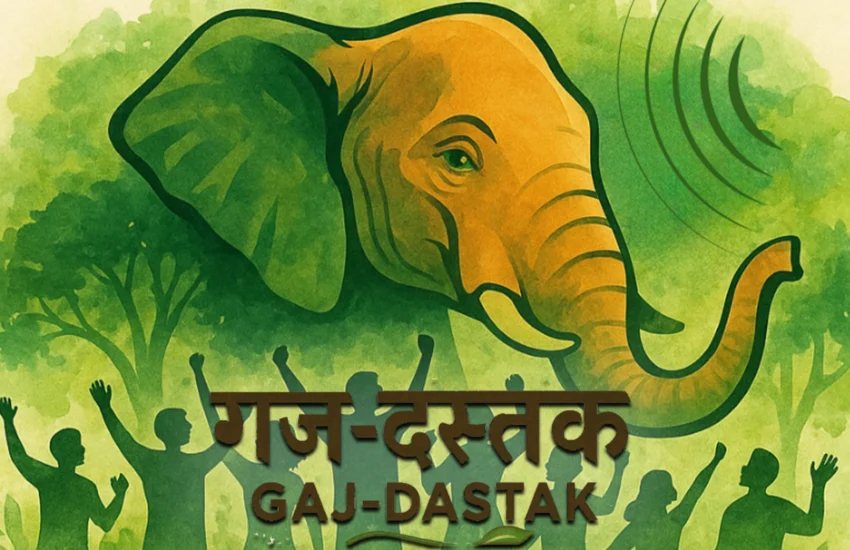
Elephant-Human Clashes in Chhattisgarh: Causes & Solutions
Understanding Elephant-human clashes in Chhattisgarh: Causes & Solutions
The conflict between people and elephants in the Indian state of Chhattisgarh has become a major concern—not only for conservationists but also for rural communities whose lives and livelihoods are at risk. In this blog, we’ll explore the patterns of Elephant-human clashes in Chhattisgarh, paying particular attention to hotspots like the Surajpur district (the “Surajpur elephant conflict”), the Raigarh district (Raigarh elephant incidents) and the Jashpur district (Jashpur elephant movement). We’ll look at causes and suggest actionable solutions.
1. Conflict in Context: What’s happening in Chhattisgarh
-
Chhattisgarh has emerged as a major hotspot for human-elephant conflict. A recent study covering 2000-2023 found 828 incidents, including 737 human fatalities and 91 injuries, in just this state.
-
Although the state has only about 1% of India’s elephant population, it accounts for roughly 15% of the country’s human fatalities from elephant incidents in that period.
The northern districts — including Surajpur, Jashpur, Raigarh and neighbouring areas — are particularly impacted.
These figures show the urgency: the return of elephants to this landscape, coupled with expanding human activities, has significantly increased the chances of dangerous encounters.
2. Hotspots: Surajpur – Raigarh – Jashpur
-
The Surajpur district is frequently cited as a high-conflict zone in Chhattisgarh.
-
For example, an elephant carcass was found in Surajpur in January 2025, highlighting both the risk to humans and to the elephants themselves.
-
Villages near forest fringes in Surajpur report crop raids, damage to houses, and close encounters as elephants wander outside forest areas.
-
Because the forest-field interface is porous and elephants are expanding their range, the “Surajpur elephant conflict” reflects the complications of coexistence.
Raigarh Elephant Incidents
-
In Raigarh district, there have been recent tragic incidents: for instance, three people, including a minor, were killed in a night attack by an elephant and calf in the Lailunga forest range.
-
Raigarh’s landscape is marked by mining, forest fragmentation and agricultural fields, all of which contribute to increased encounters.
-
These “Raigarh elephant incidents” underline how human settlement, land use change and elephant movement converge to raise risks.
Jashpur Elephant Movement
-
The Jashpur district has been called a major hotspot for elephant-human conflict in Chhattisgarh; over 150 deaths in Jashpur division alone were recorded in recent years.
-
For example, a herd of elephants entered a tribal village in Jashpur and vandalised a church, damaged stored grains etc.
-
The “Jashpur elephant movement” refers to the migratory and exploratory behaviour of elephants across forest patches and agricultural land in the Jashpur region, often leading to conflict.
3. Key Causes of Elephant–Human Clashes
-
Habitat expansion & metapopulation establishment: Elephants from neighbouring states (Odisha, Jharkhand) have been moving into Chhattisgarh, forming a metapopulation of around 250-300 individuals.
-
Forest fragmentation and land-use change: Open-cast mining, roads, agriculture have cut into forest habitat, forcing elephants to cross human-dominant landscapes.
-
Proximity of cropland and human settlement to forest edges: The study shows that villages with higher forest cover (~75%) and lower crop cover (<25%) near forest edges were more prone to conflict.
-
Attraction of agricultural crops & human assets: Elephants raid crops like sugarcane, rice, maize, wheat. In some places they are even attracted by stored grains or homemade liquor.
-
Corridor disruption & movement outside protected zones: Inadequate or broken elephant corridors force herds into unexpected human zones, increasing unpredictability of interactions.
-
Night-time movement and human vulnerability: Many incidents happen at night when villagers are asleep, and when monitoring is harder.
-
Behavioral risk and ignorance: Some residents take risky steps — e.g., trying selfies with elephants, or ignoring warnings — increasing exposure.
4. Consequences for People and Elephants
-
For humans: Loss of lives, injuries, psychological trauma, crop and property damage, disruption of livelihoods. For instance, across the state hundreds have lost their lives.
-
For elephants: Deaths due to electrocution, poisoning, retaliatory killings; increased mortality has been reported in recent years.
-
Wider ecosystem & social cost: When communities fear elephants, tolerance declines — putting both conservation and local welfare at risk.
5. Solutions & Mitigation Strategies
To reduce these conflicts, a mix of strategies is needed:
-
Strengthen elephant corridors & habitat connectivity
Ensuring intact forest patches and safe movement routes for elephants means fewer unexpected incursions into human zones. -
Use early warning systems & community alert networks
Local “elephant tracking” teams, warning sirens, GPS-collared elephants tracked in real-time help alert villages in advance. -
Crop planning, barrier fencing & deterrents
-
Plant less-attractive crops near forest edges, or switch cropping patterns.
-
Use electric/solar fences, trenches, watch-towers in high-risk villages.
-
Loud sirens, lights during night to deter elephant movement.
-
-
Land-use planning to minimise interface conflicts
Avoiding settlement or agriculture inside key elephant movement zones, restricting mining/roads in corridors. -
Compensation and insurance mechanisms
Timely compensation for losses builds community goodwill and reduces retaliatory actions. However, implementation must be smooth. -
Awareness, behaviour change & community engagement
Educating villagers about risks (e.g., taking selfies with elephants), safe behaviour, community-led responses. -
Monitoring, research and adaptive management
Continuous data collection (on elephant movement, crop raids, landscape changes) enables adaptive strategy — as shown in the long-term study in Chhattisgarh.
6. What the Future Holds
For regions like Surajpur, Raigarh and Jashpur:
-
If habitat pressures persist and human-elephant interfaces grow, the conflict may increase in frequency and severity.
-
But with well-planned mitigation, coexistence is possible: local livelihoods and elephant conservation can both be supported.
-
Policy support, resources, cross-department coordination (forest, agriculture, mining, rural development) are key.
-
Harnessing technology (GPS tracking, remote sensing, real-time alerts) plus traditional local knowledge offers the best promise.
7. Conclusion
The phenomenon of Elephant-human clashes in Chhattisgarh is not simply a wildlife issue — it is a deeply human one. The “elephant-human clashes in Chhattisgarh” reflect the overlapping worlds of rapidly changing landscapes, human aspirations, and elephant biology. From the Surajpur elephant conflict to Raigarh elephant incidents and the Jashpur elephant movement, the core message is: coexistence must be deliberate. It requires habitat protection, smart land-use, community readiness and compassion for both human and elephant lives.
By tackling root causes and implementing layered solutions, Chhattisgarh can move from crisis towards coexistence — ensuring that future generations of both villagers and elephants share the land safely.
