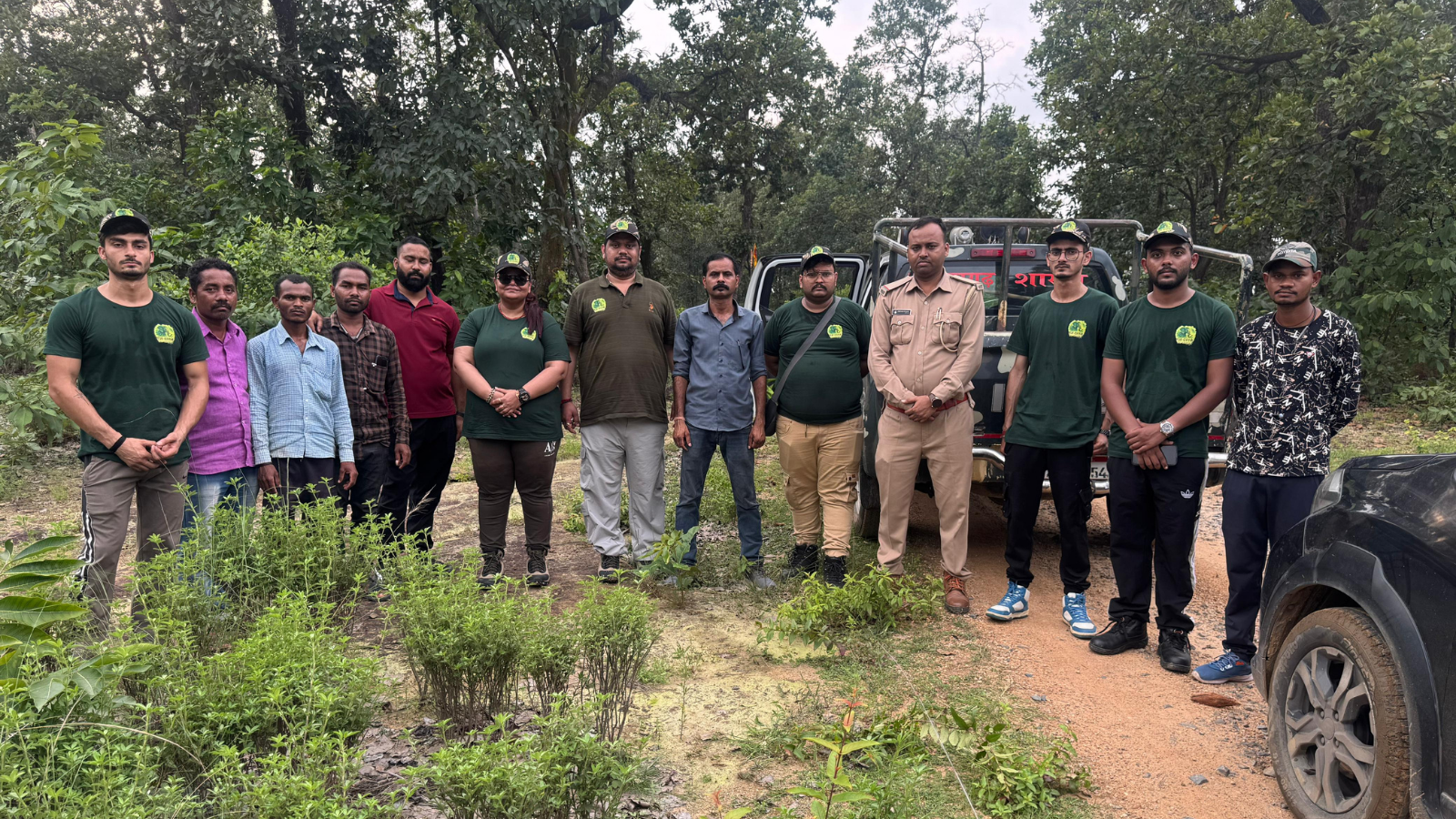
Our Story
It Started With a Question
Why are we always reacting — after the damage is done?
Why are we always reacting — after the damage is done?
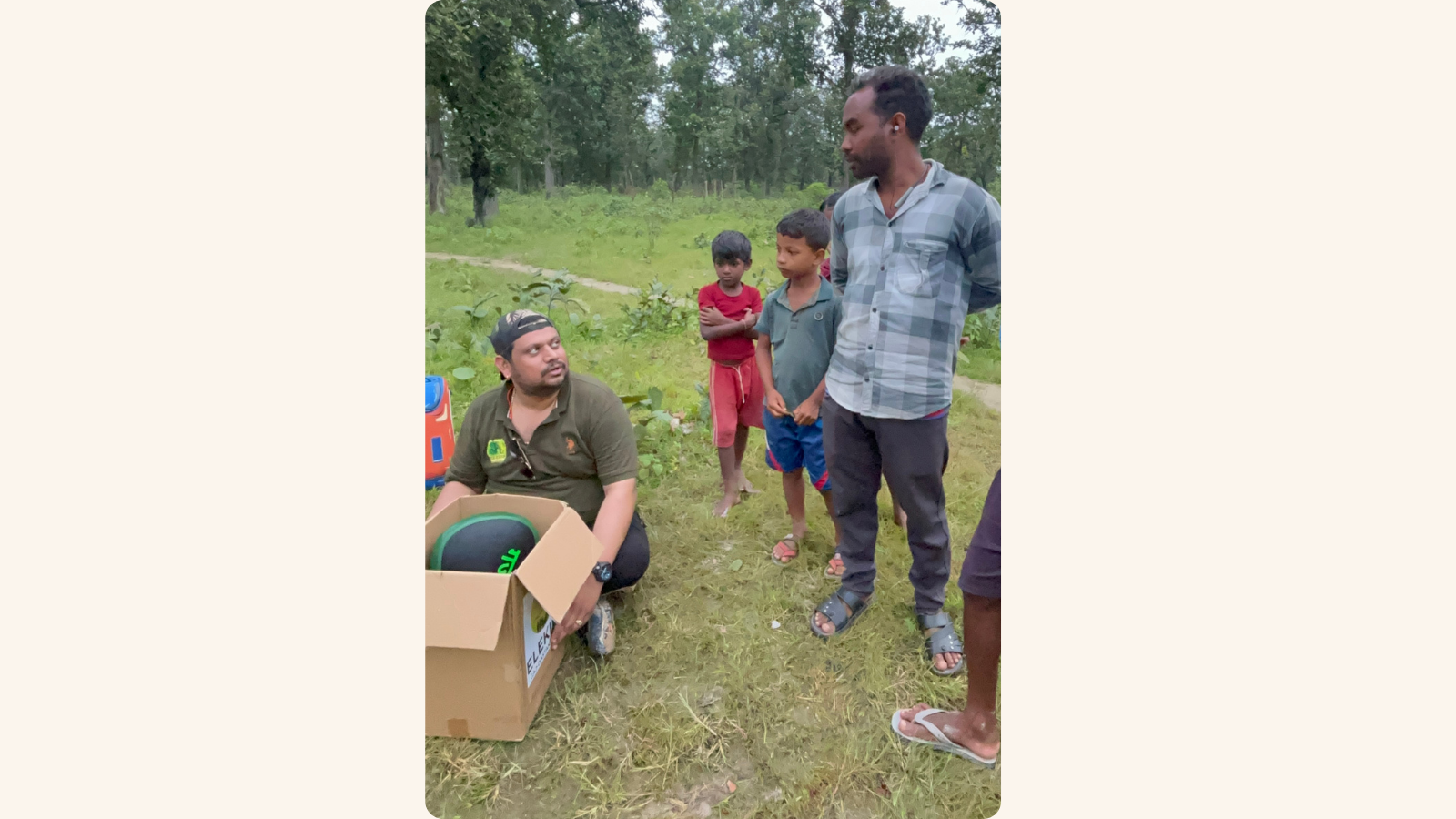
In parts of Jashpur, Raigarh, and Katghora, there was already a system in place. People knew elephants would come. And yet — every time it happened, it felt like no one was ready.
The night is always the same. It starts quietly. And then suddenly — everything changes. A field disturbed. A boundary crossed. A presence felt before it is seen.
Torches are lit. People gather. Noise is created. Not because it works — but because it is all that exists.

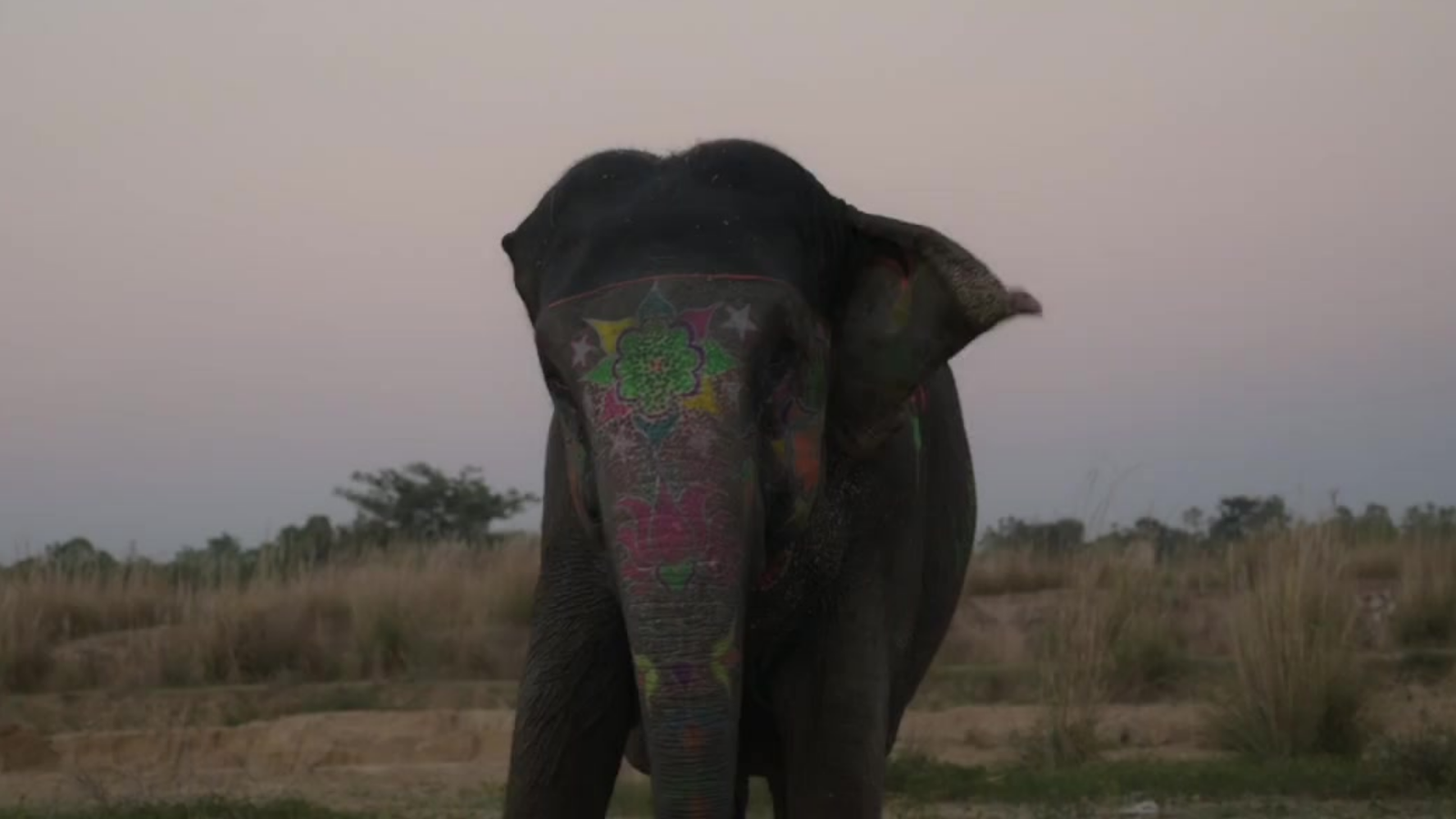
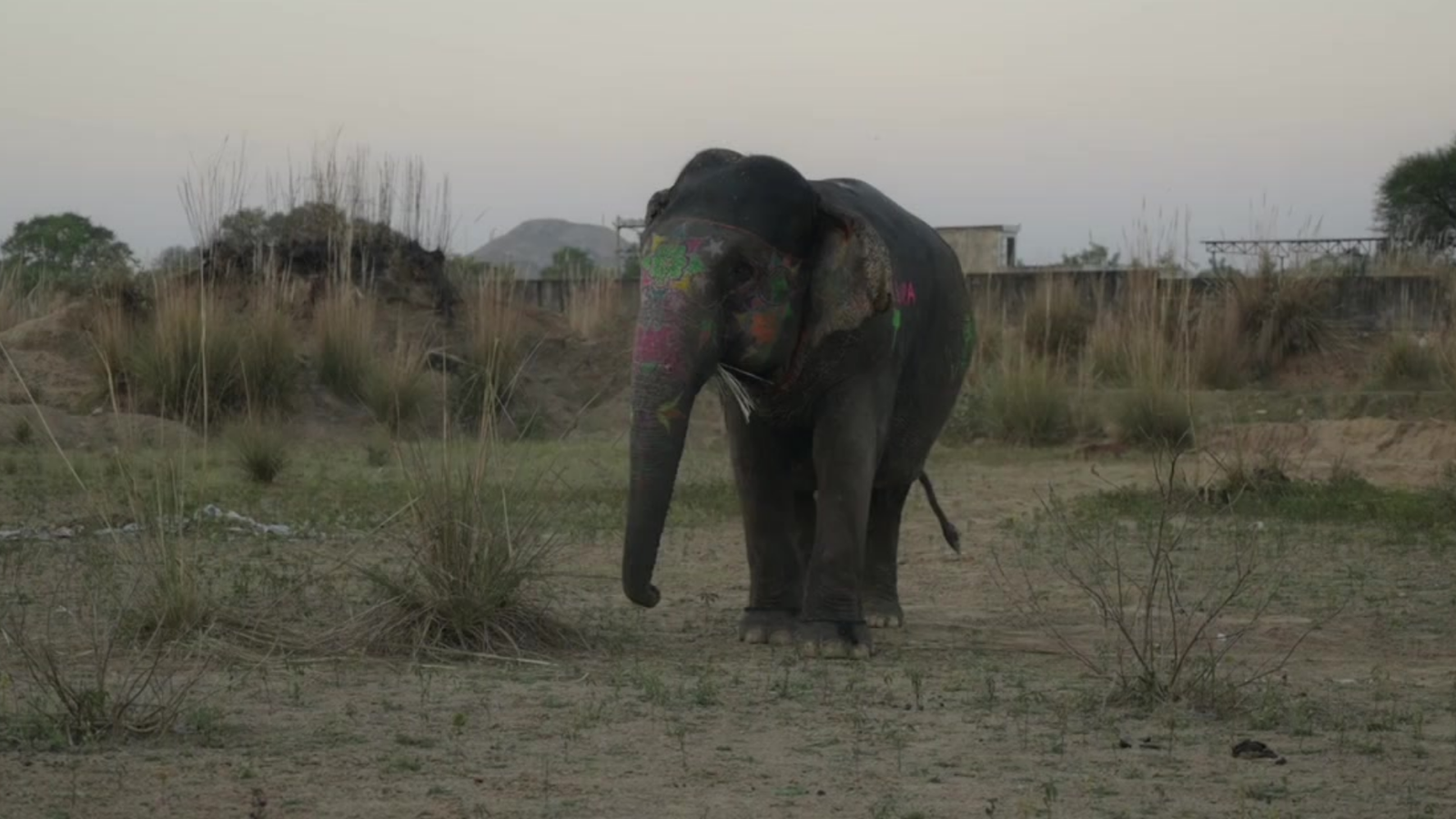
Elephants were not behaving randomly. They returned to the same paths. They avoided what they had learned to ignore. They adapted faster than the systems meant to manage them.
This is not a problem of animals entering human space. This is a problem of humans not knowing in time.
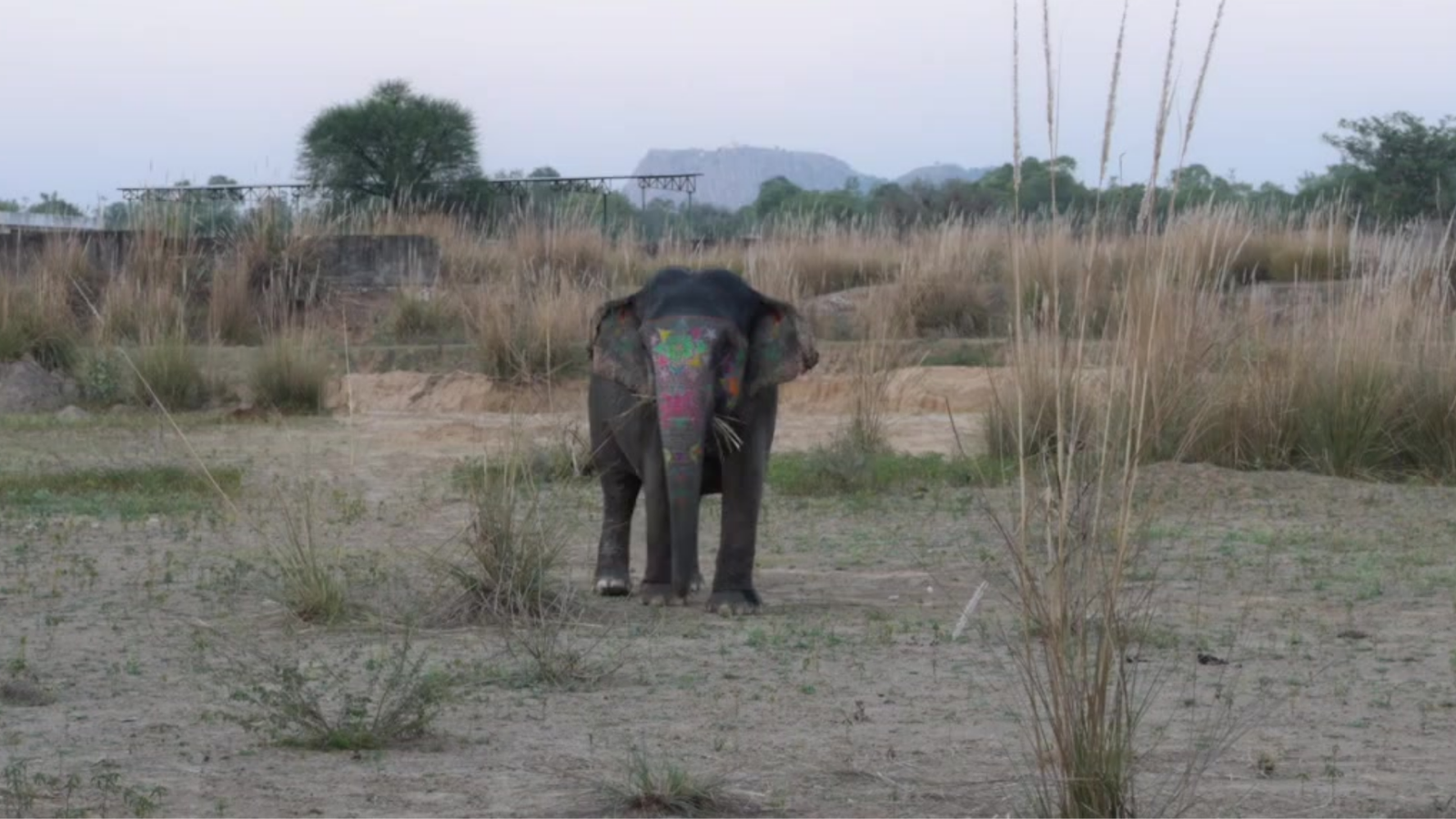
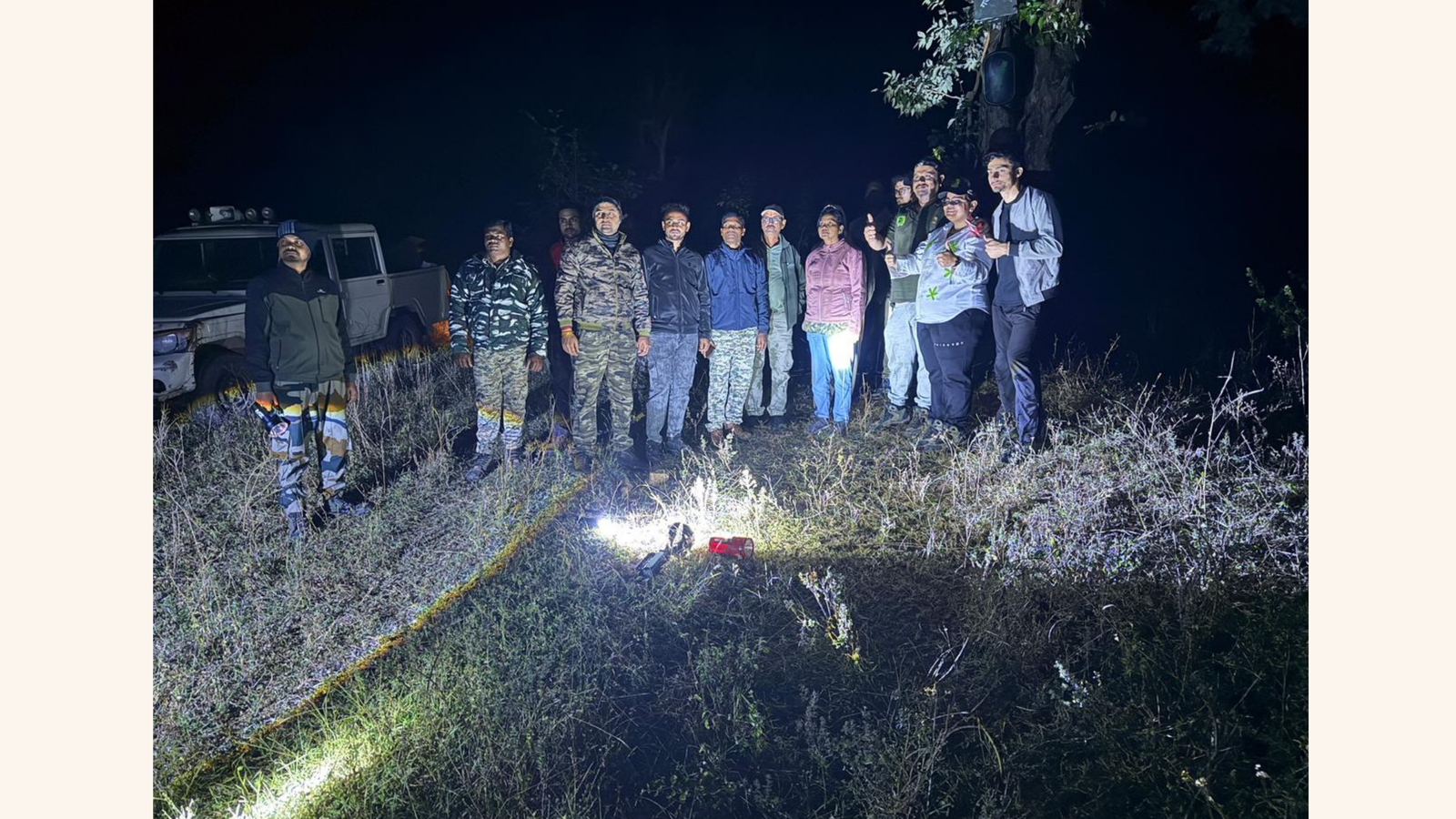
An alert came in. Not after movement. Not after damage. But before.
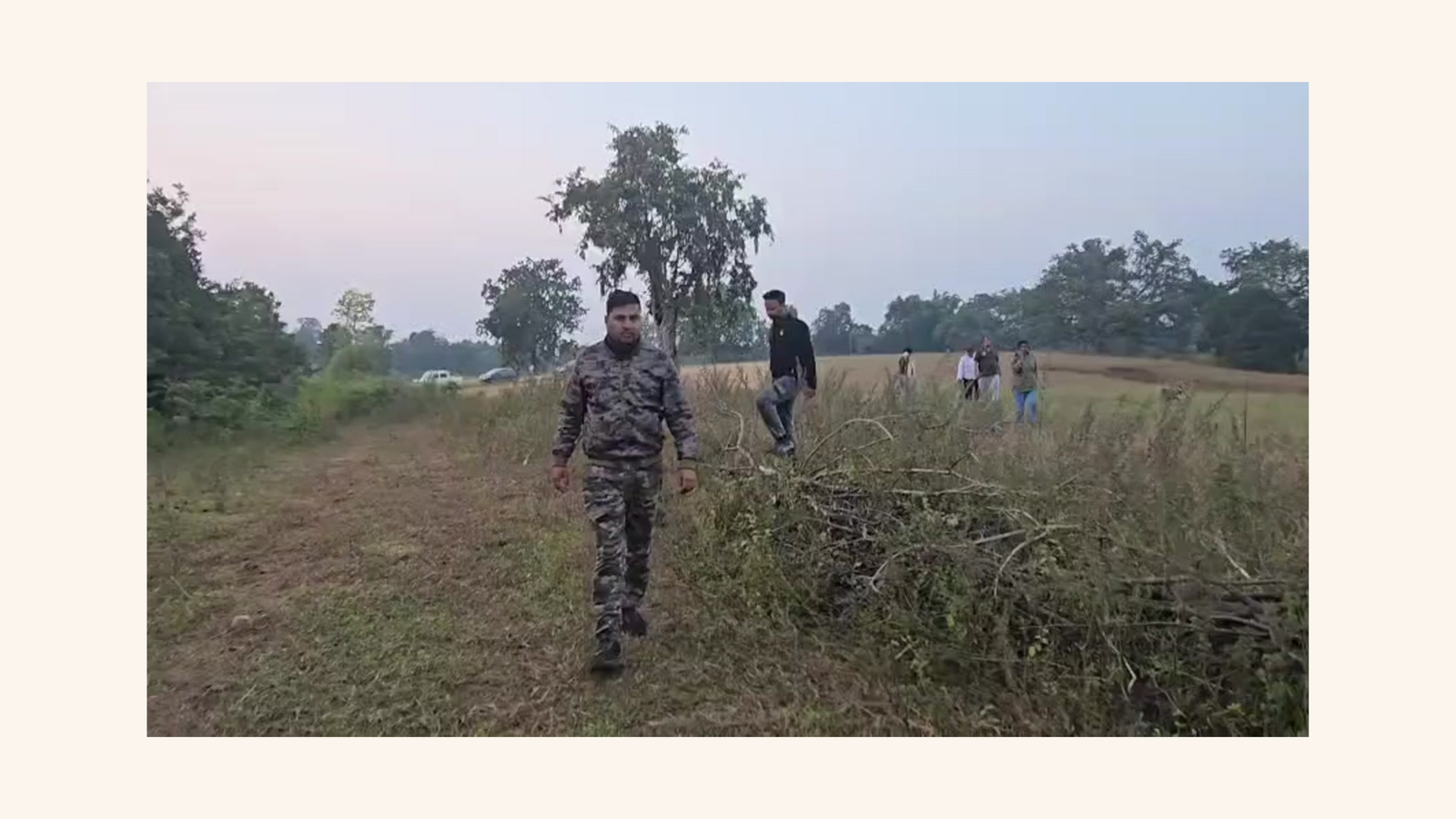
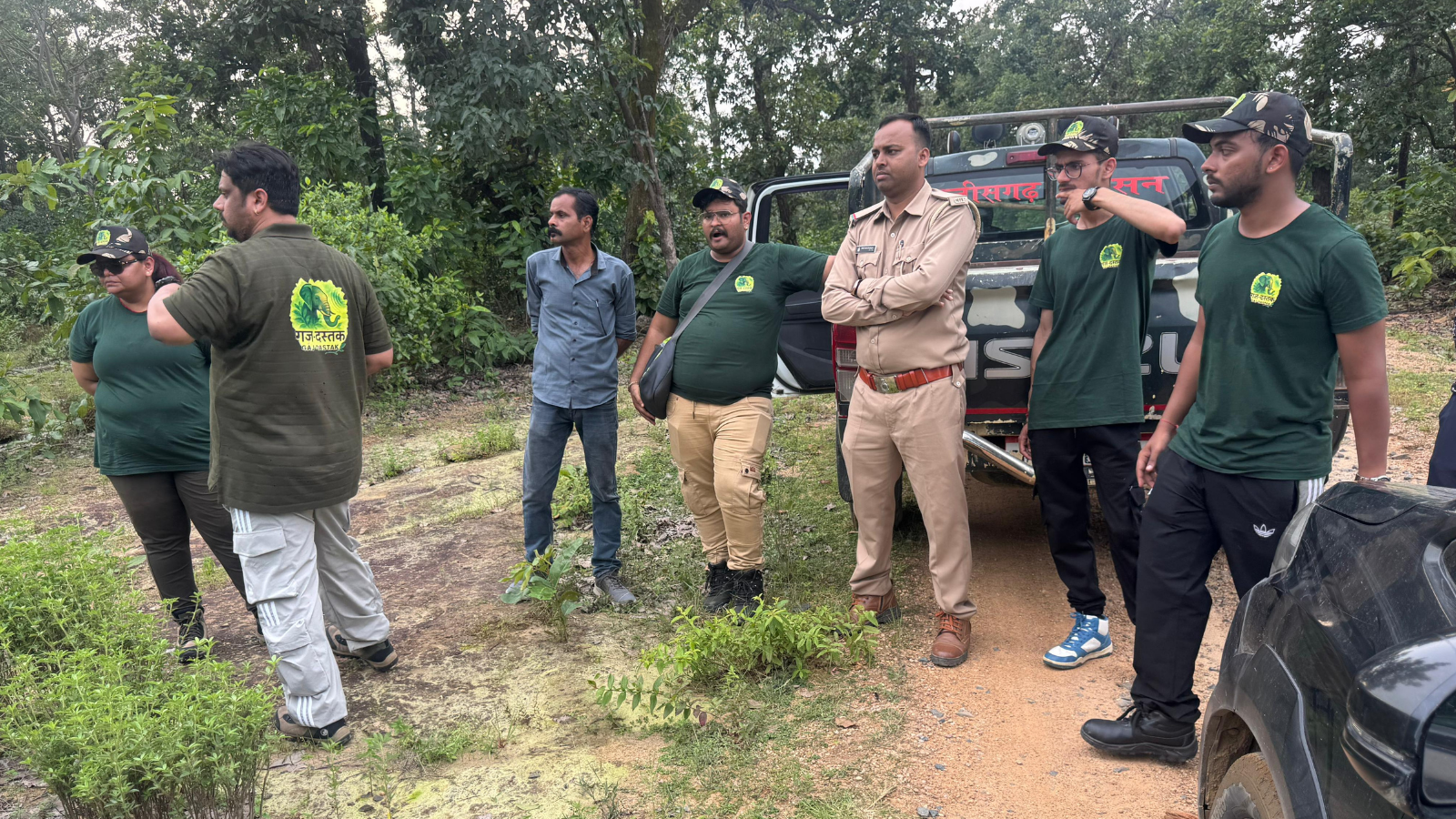
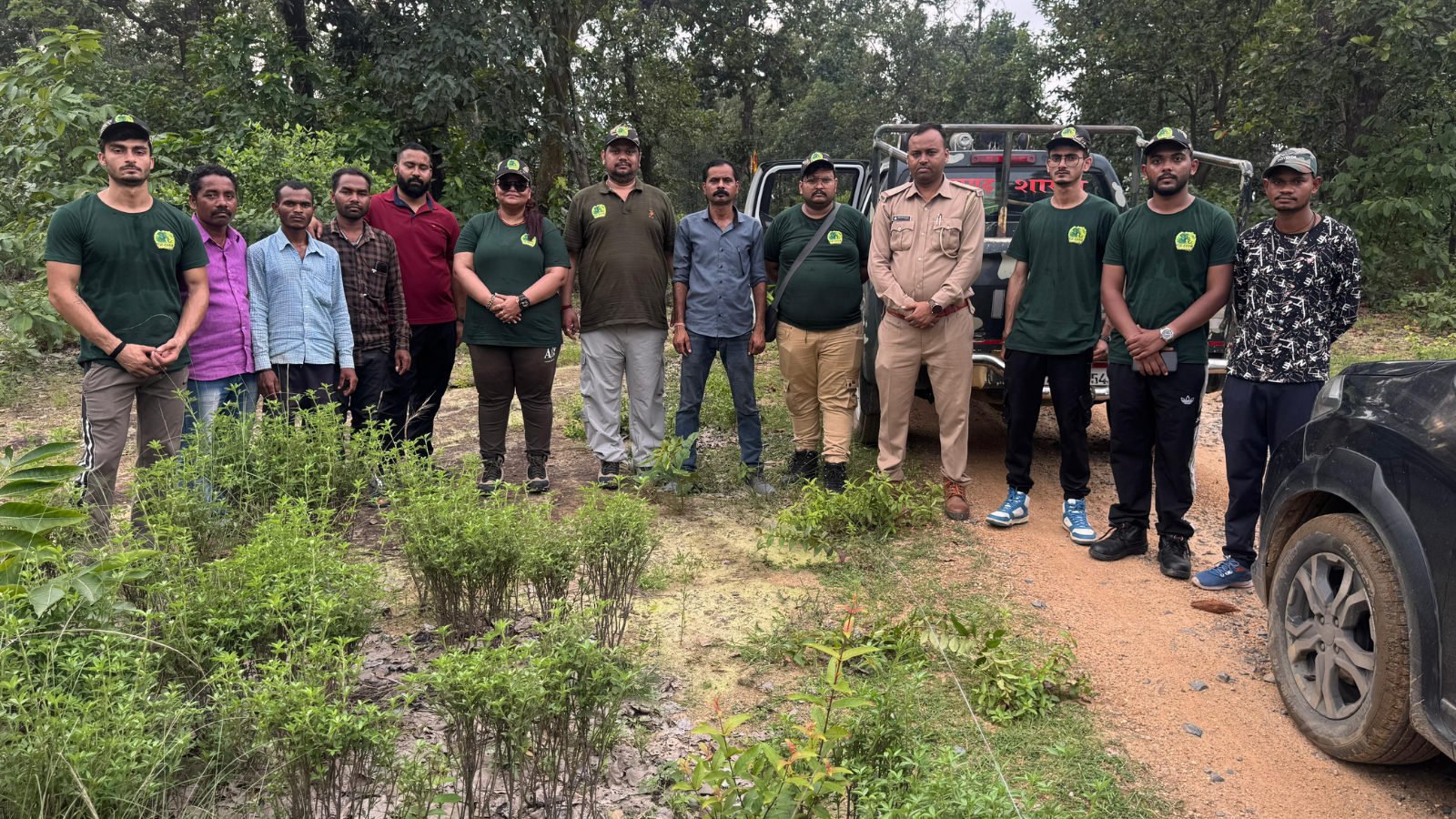
And when the team reached the location — footprints pressed into the soil. Fresh signs of movement. A presence that had just passed.
For the first time, the system didn't react to conflict. It anticipated it.
Early awareness reduces panic, improves response, and prevents escalation. When you know something is coming, you don't have to fight it — you prepare for it.
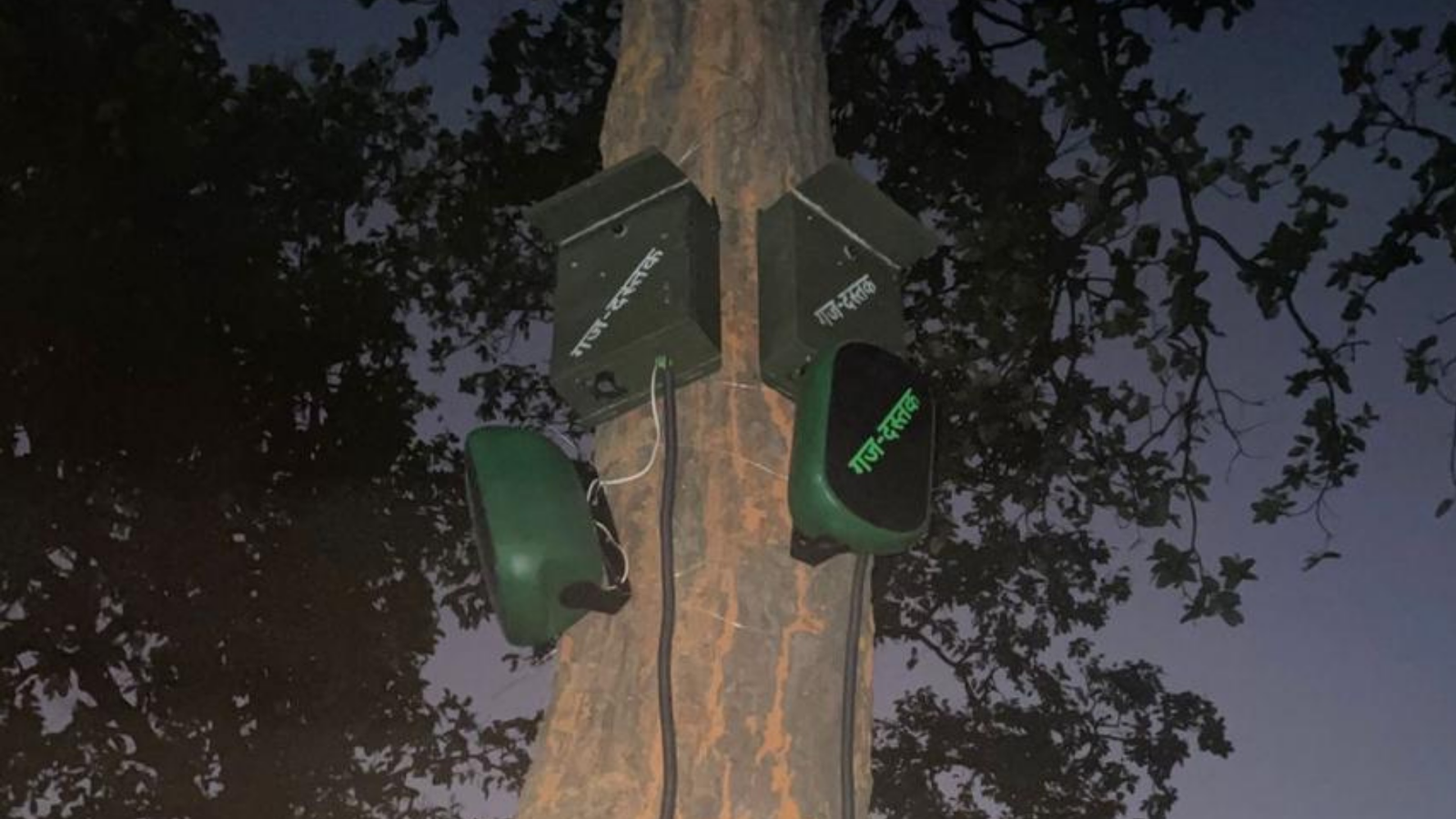
Elephants cannot be controlled. They can be understood, influenced, guided. We study movement patterns and use acoustic signals rooted in what elephants already respect.
This is not about stopping elephants. It is about reducing the moments where conflict becomes unavoidable — where a missed alert turns into a tragedy.
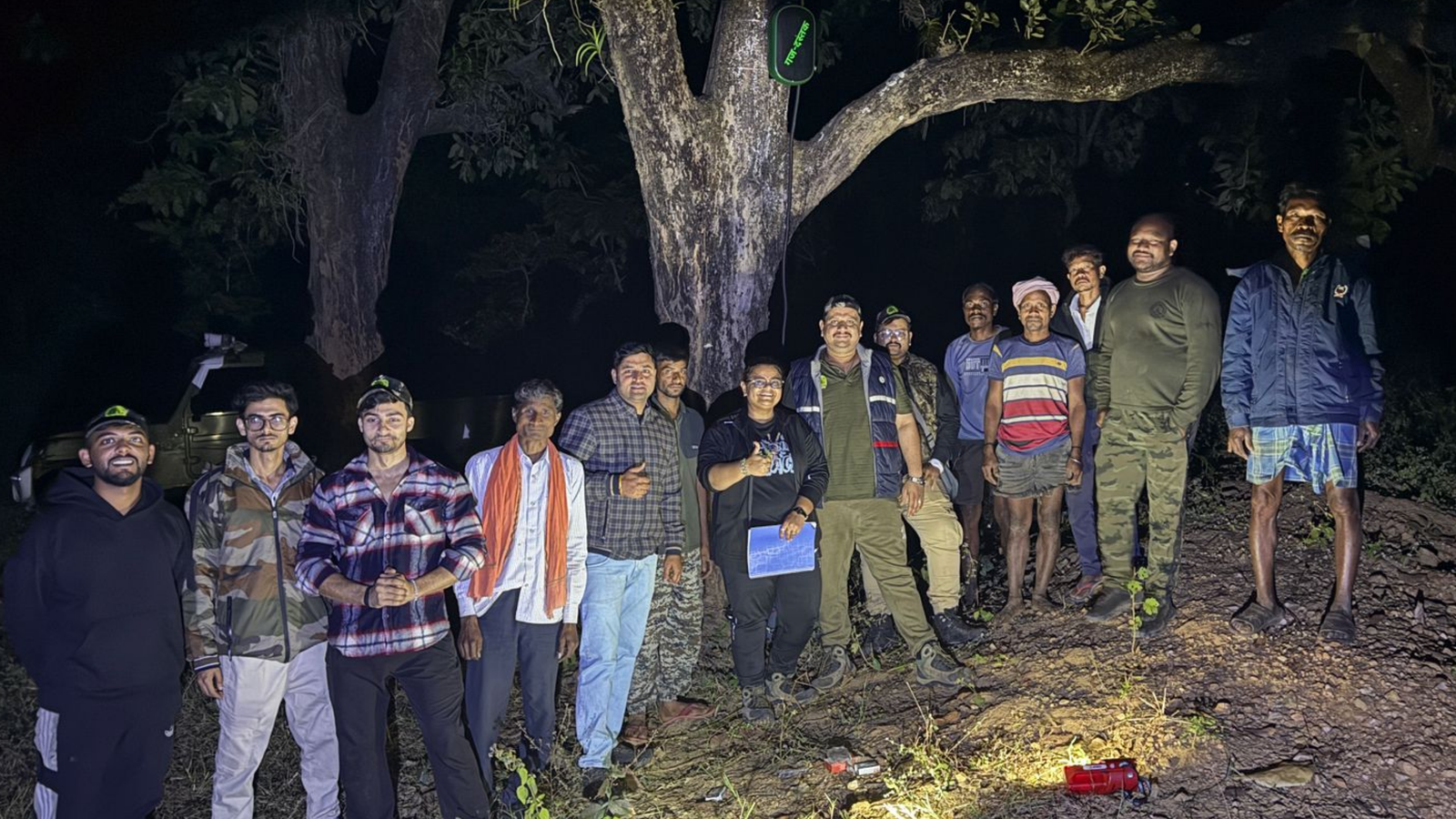
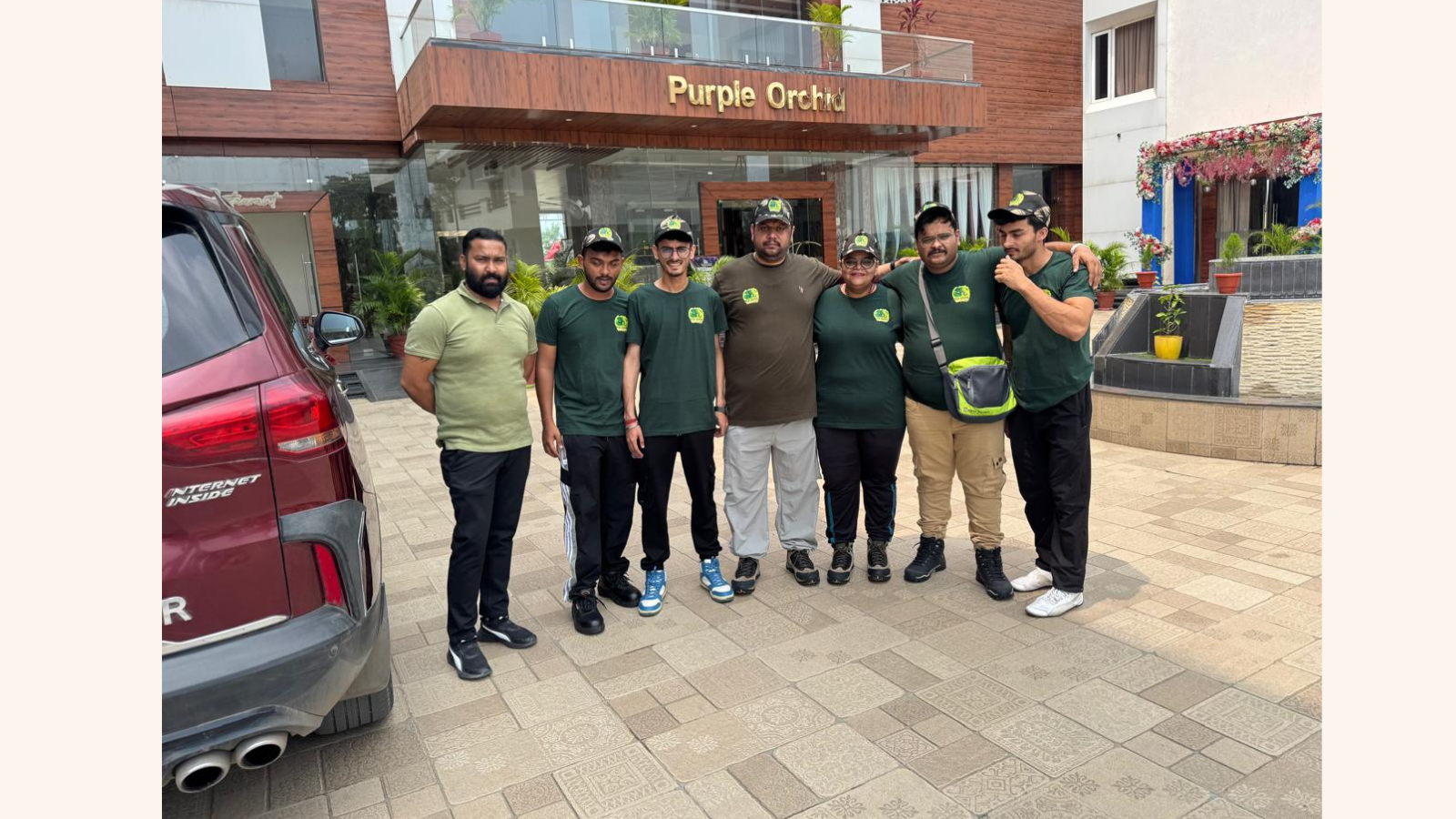
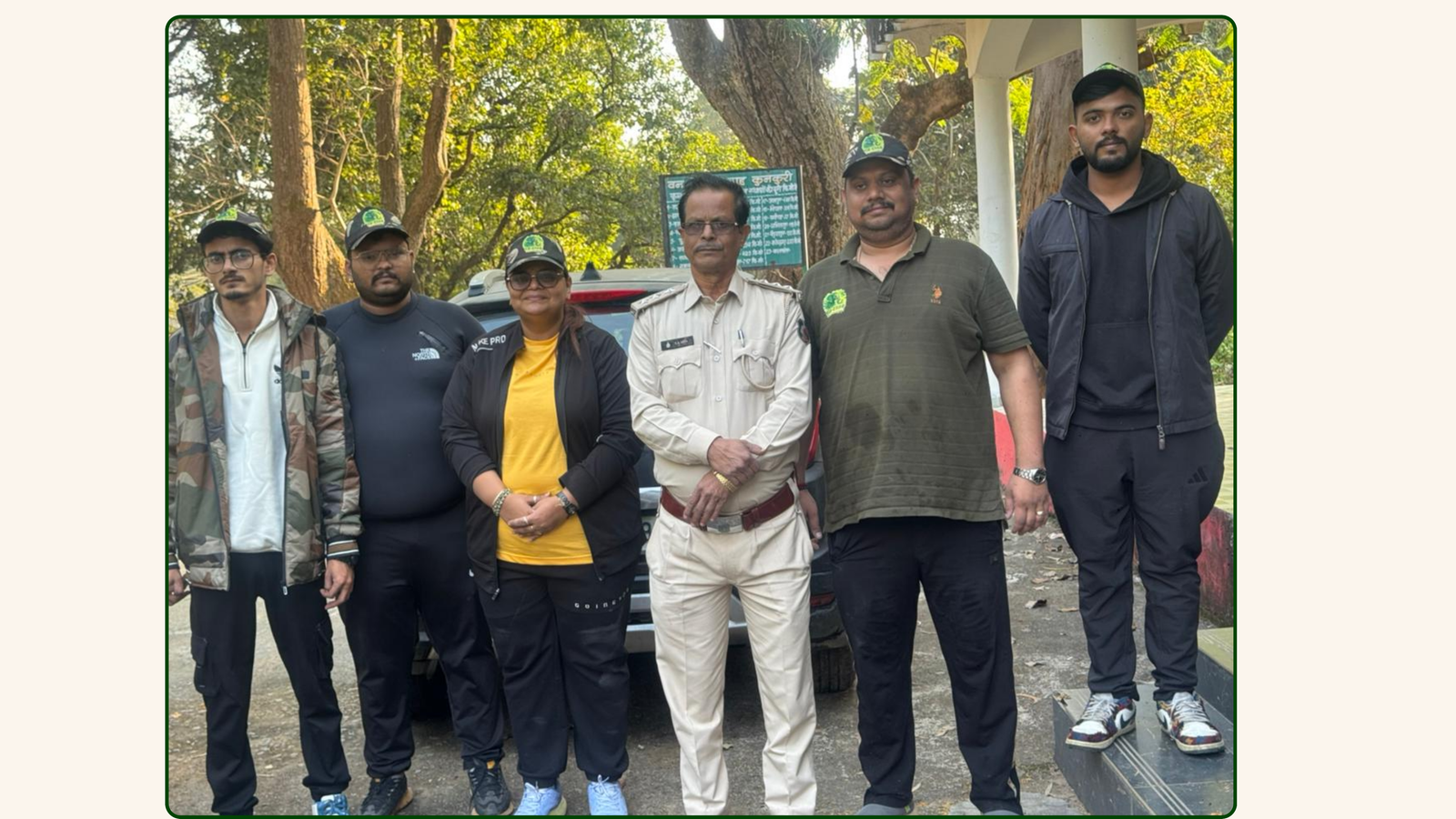
Five individuals united by a single belief: that technology, built with purpose, can save lives on both sides of the forest edge.

The one who walks into forest offices, speaks the language of the people on the ground, and turns government processes into real-world deployments. Aadityaa has spent countless nights in the field — understanding the problem not from a screen, but from the soil beneath his feet.

The one who builds the brain of the system. From training AI models on thermal imagery to designing hardware that survives monsoons and summers, Supreeta turns an impossible engineering challenge into a device that fits inside a metal box — and works.

The one who architects the end-to-end embedded systems stack — from AI inference pipelines to ruggedized hardware that survives monsoons, summers, and forests. Anuj bridges the gap between lab prototypes and field-ready devices that save lives.

The one who ensures every deployment is strategically planned and resourced. Vikrant brings deep expertise in project planning, resource coordination, and operational strategy — making sure every mission is mapped before boots hit the ground.

The one who leads from the front in the field. Harsh drives on-ground operations and technical execution — from hardware integration and system deployment to real-time performance monitoring under the toughest conditions.
Delhi, India
100% designed, engineered, and manufactured in India. Every sensor, every circuit, every line of code — built here, for the forests and communities that need it most.
GAJ-DASTAK operates under the guidance of senior Indian Forest Service officers and aligns with India's premier wildlife research and technology institutions.
PCCF V. Sreenivasa Rao, IFS
Principal Chief Conservator of Forests, Chhattisgarh
Overseeing strategic deployment of AI wildlife technology across Chhattisgarh forest divisions
Chief Conservator of Forests, IFS
CCF, Chhattisgarh Forest Department
Guiding field deployment strategy and elephant corridor mapping for technology-assisted HEC mitigation
Divisional Forest Officers
Jashpur, Raigarh, Katghora & Bangursia Divisions
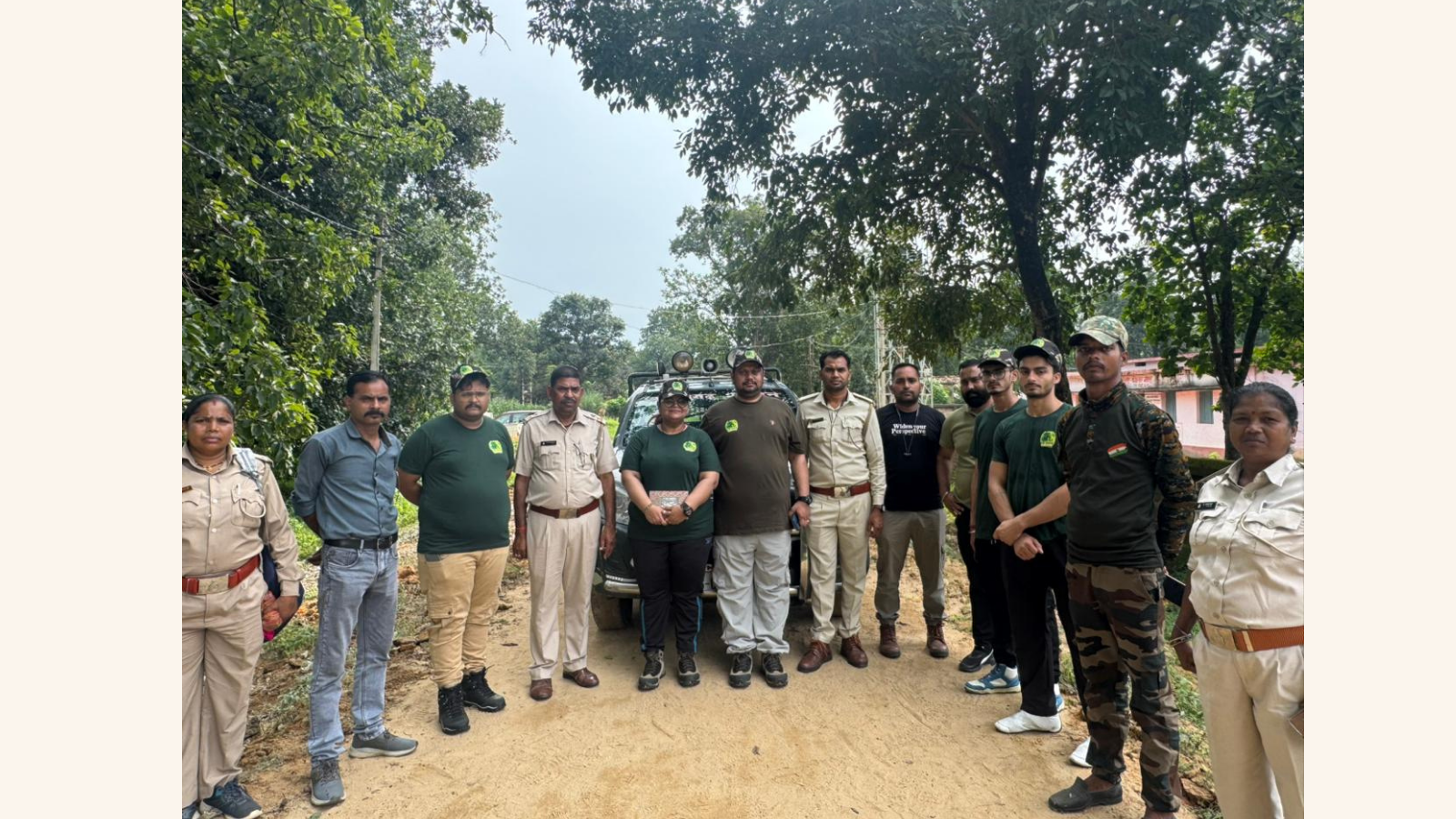
Direct supervision of field trials and deployment operations
Ministry of Environment, Forest & Climate Change
MoEFCC — Project Elephant & CAMPA Framework
Technology aligned with national HEC mitigation strategy under Project Elephant and funded through CAMPA scheme
Wildlife Institute of India (WII)
Dehradun — India's premier wildlife research institution
Research alignment on AI-assisted wildlife monitoring, elephant corridor studies, and technology-based conservation
IIT Research Ecosystem
Edge AI, Embedded Systems & Conservation Technology
Building on India's IIT-driven AI research in edge computing, thermal imaging, and embedded ML for real-world conservation applications




GAJ-DASTAK is built for the people who live at the forest edge — where the line between human settlement and elephant corridor disappears every night.
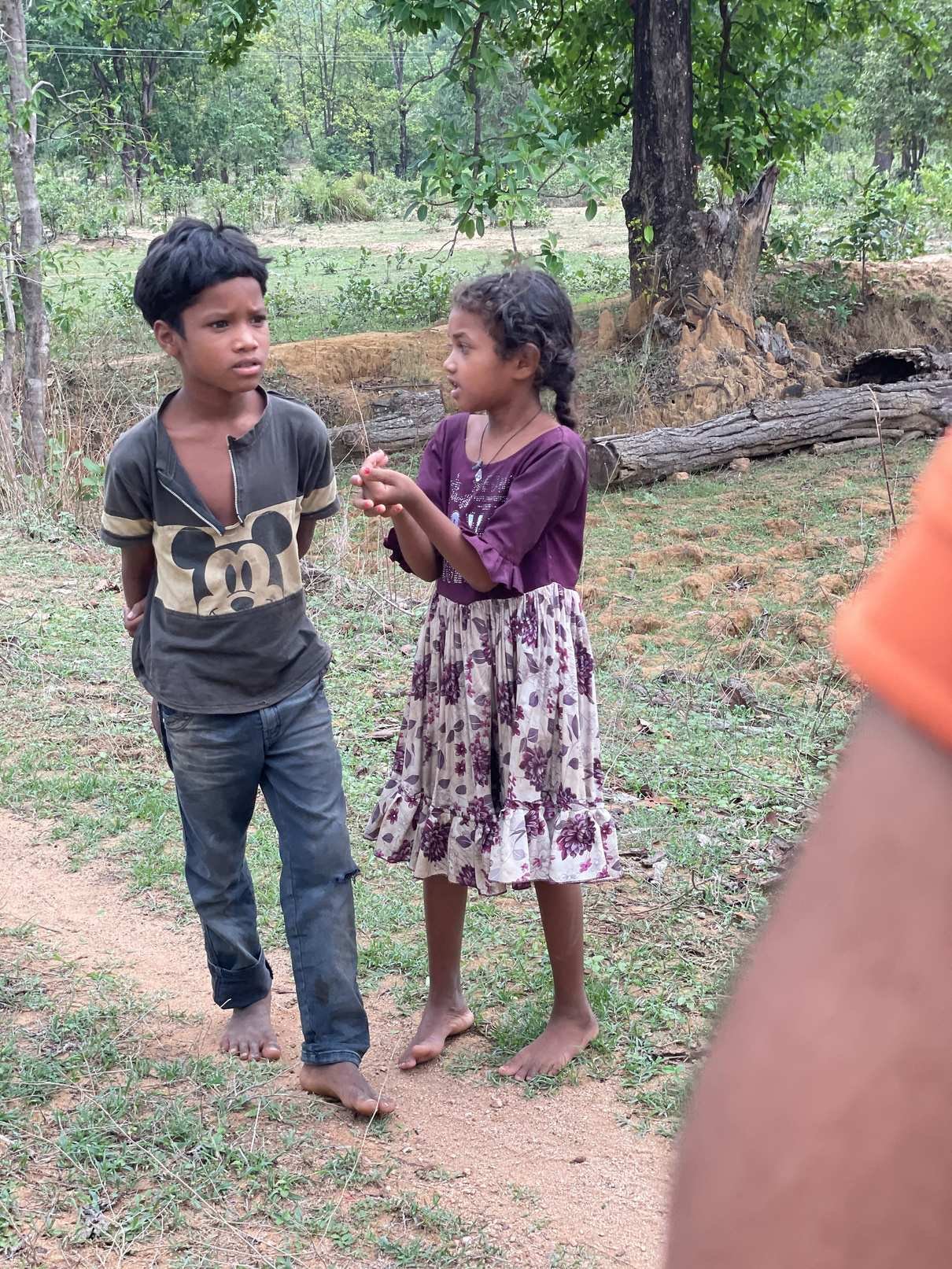
GAJ-DASTAK is built on the belief that conflict is not inevitable — it is often just untimed.
Get in Touch