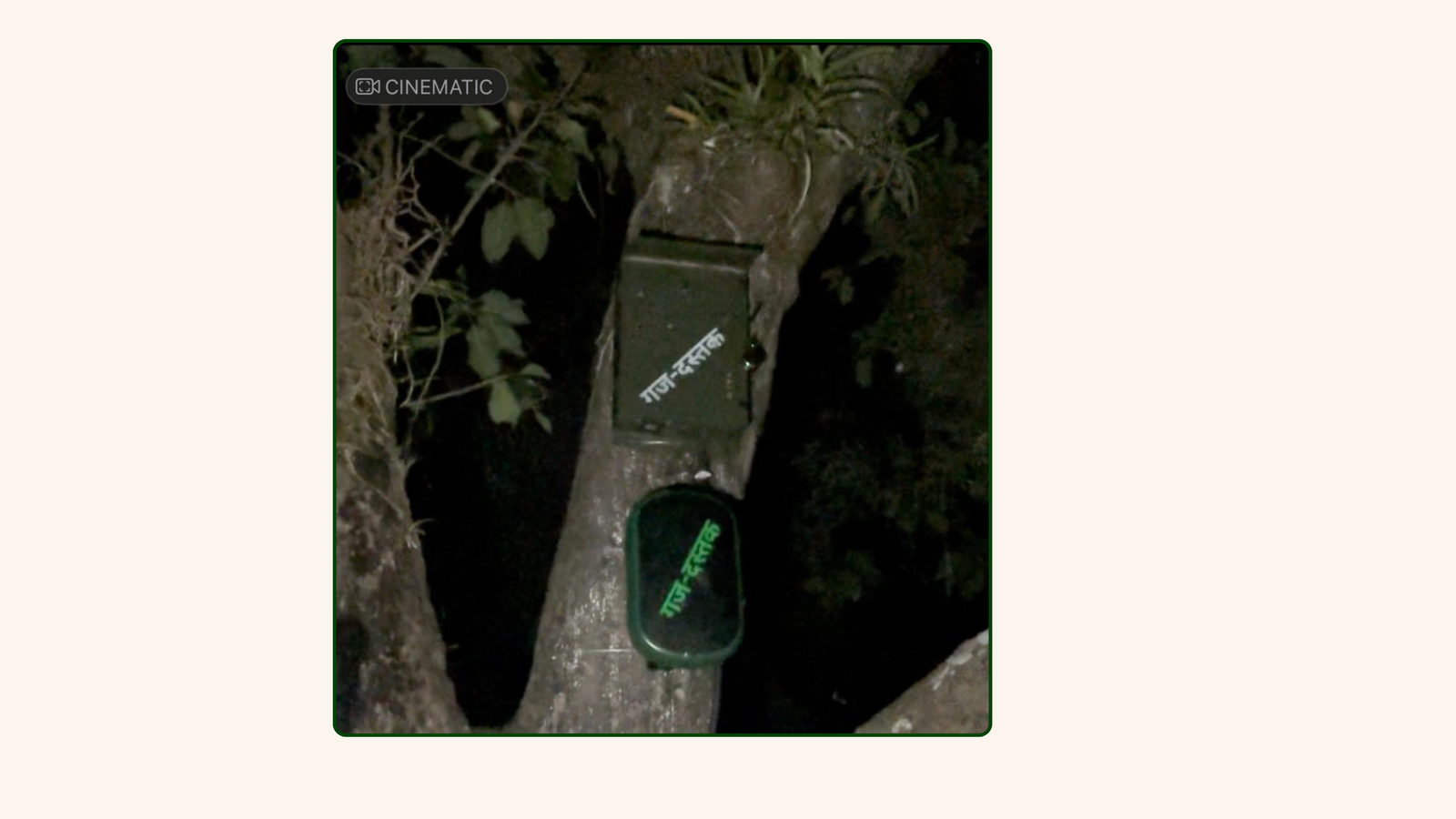
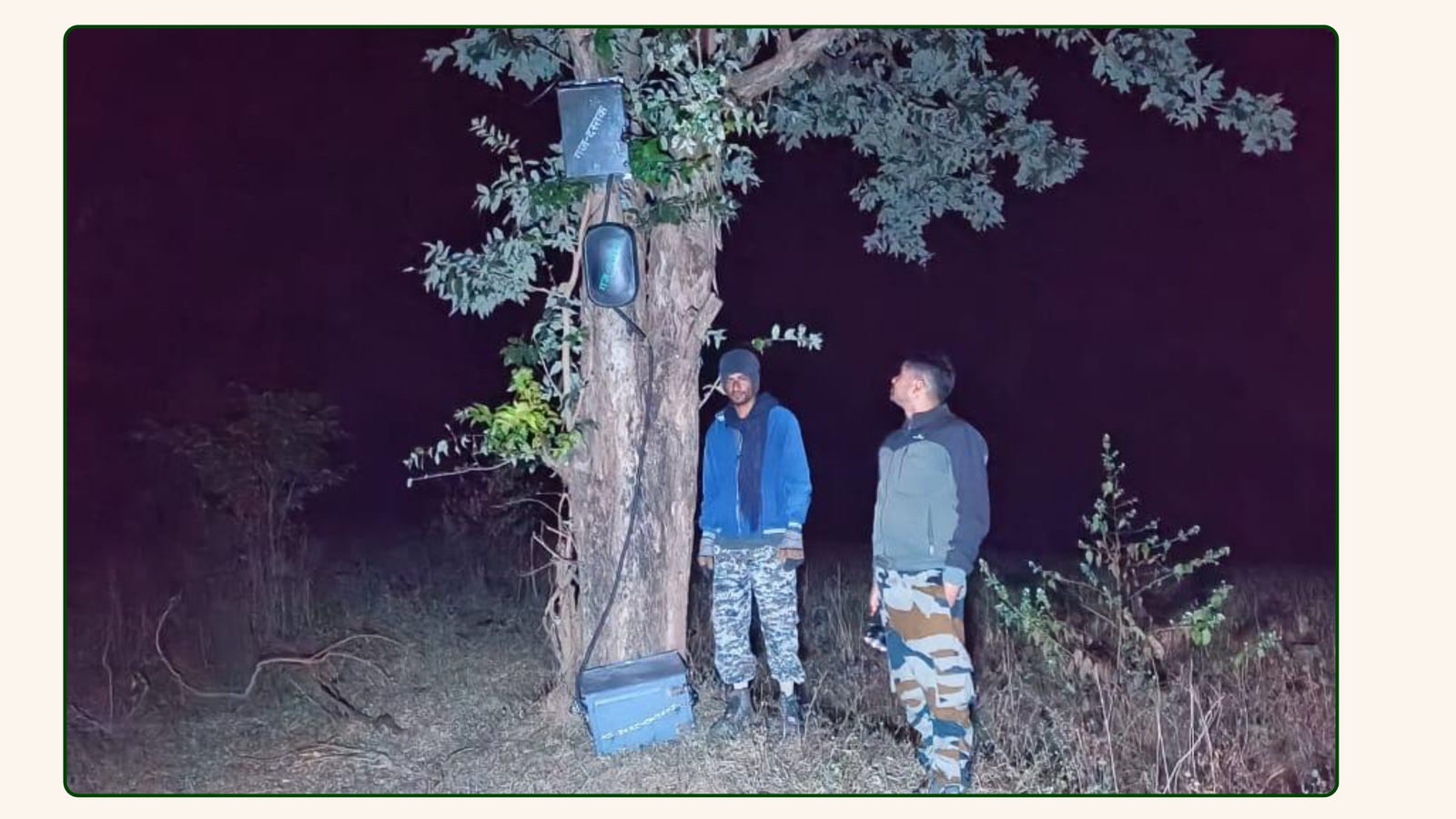
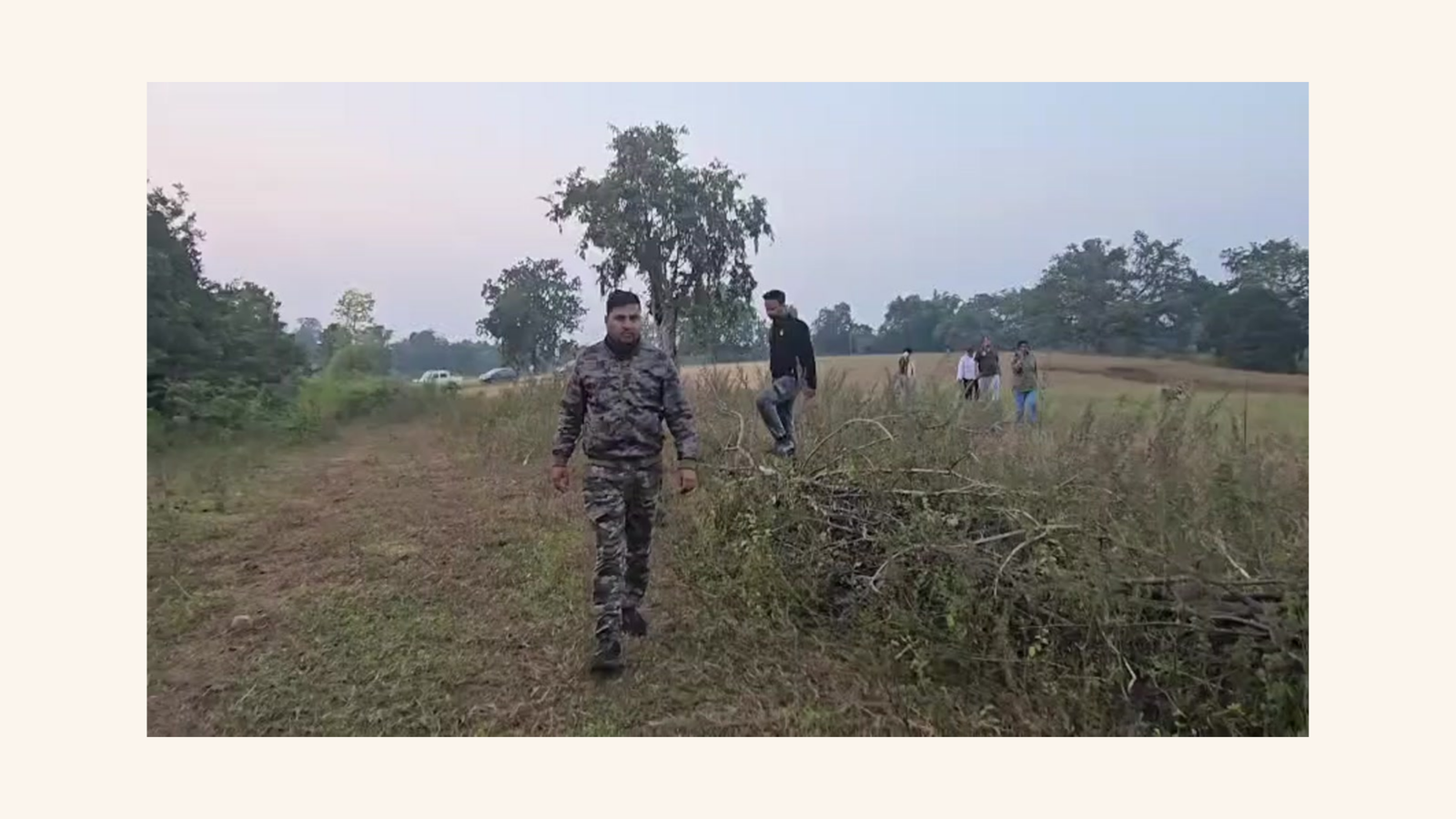
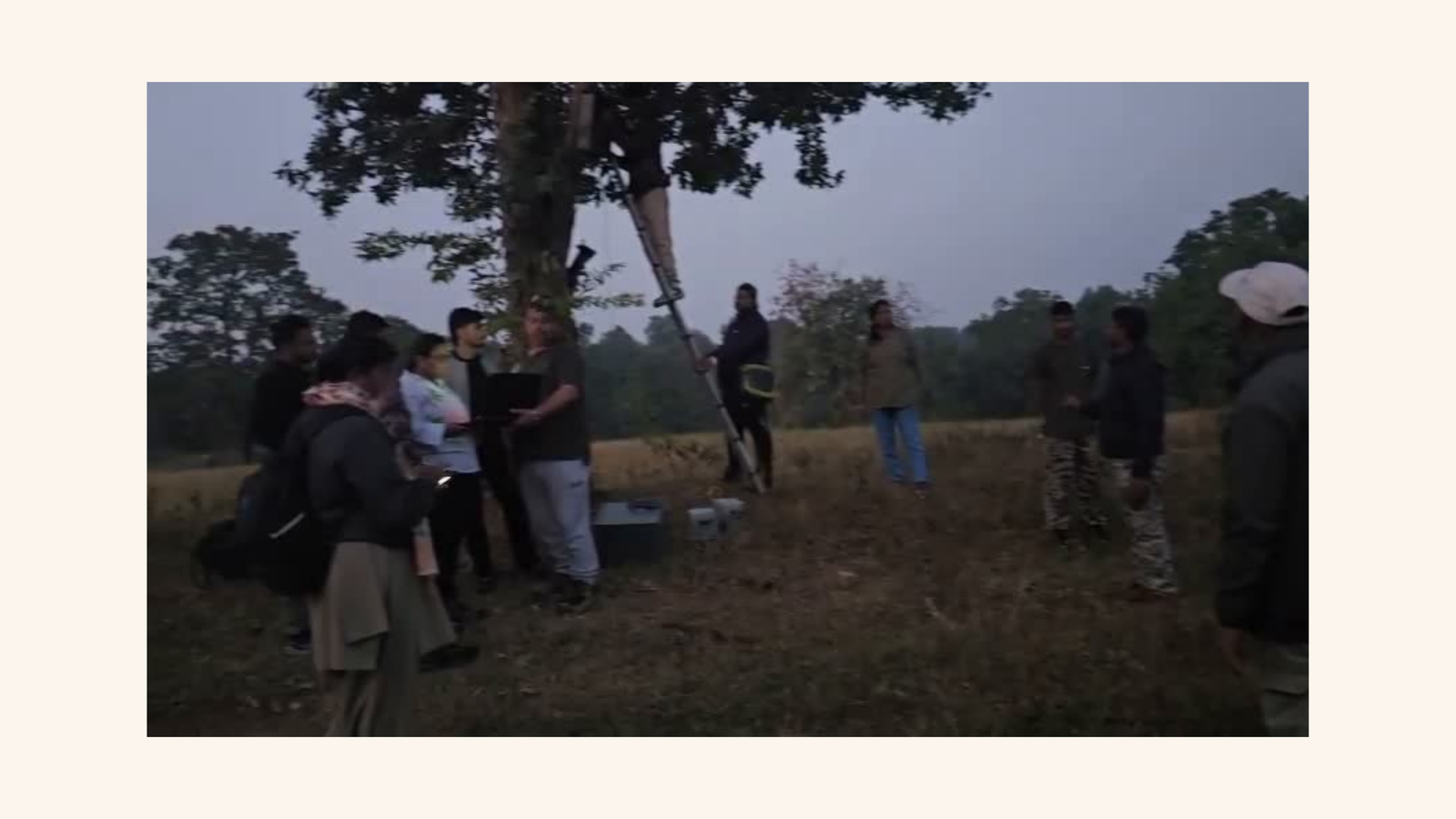
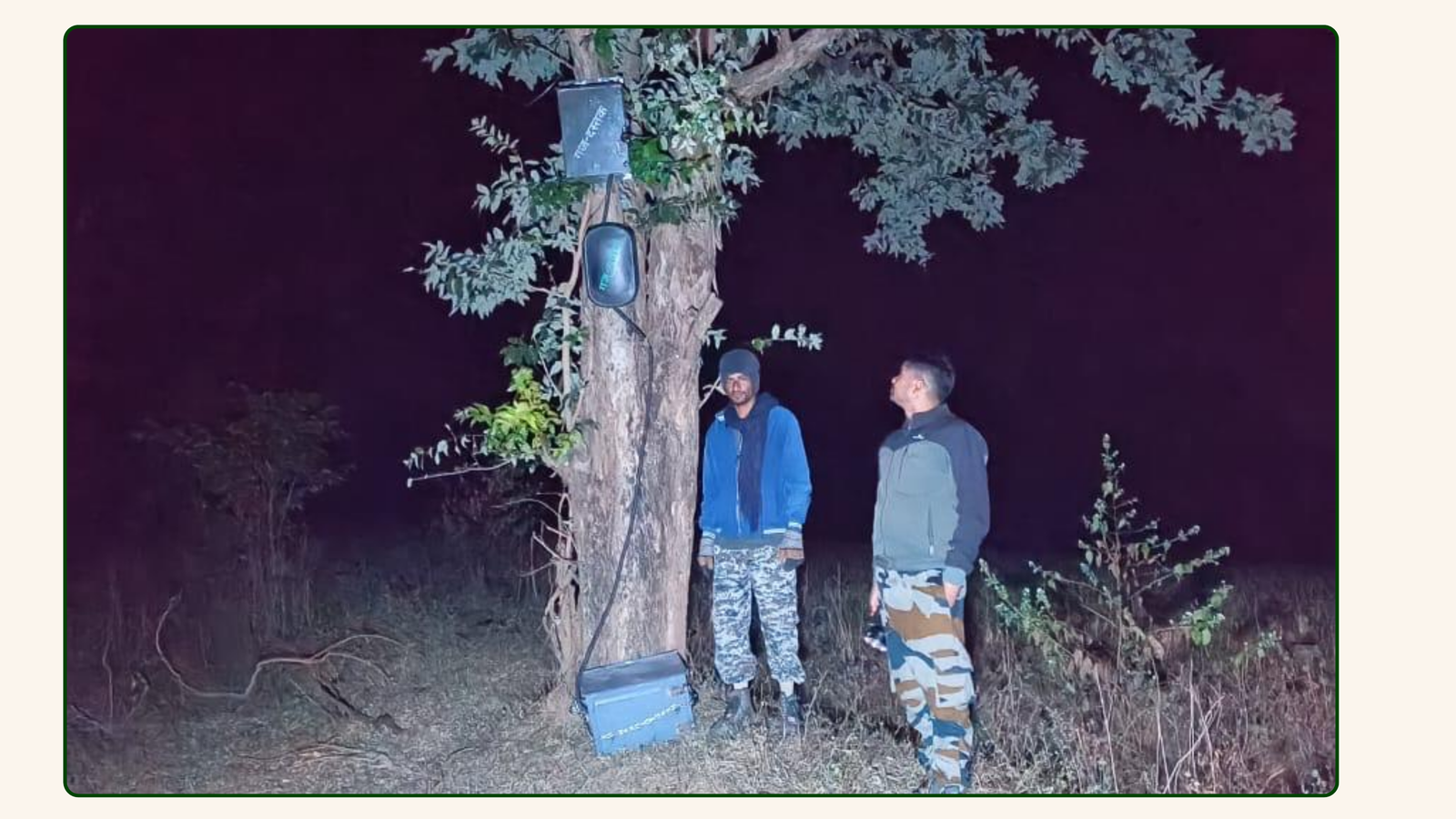
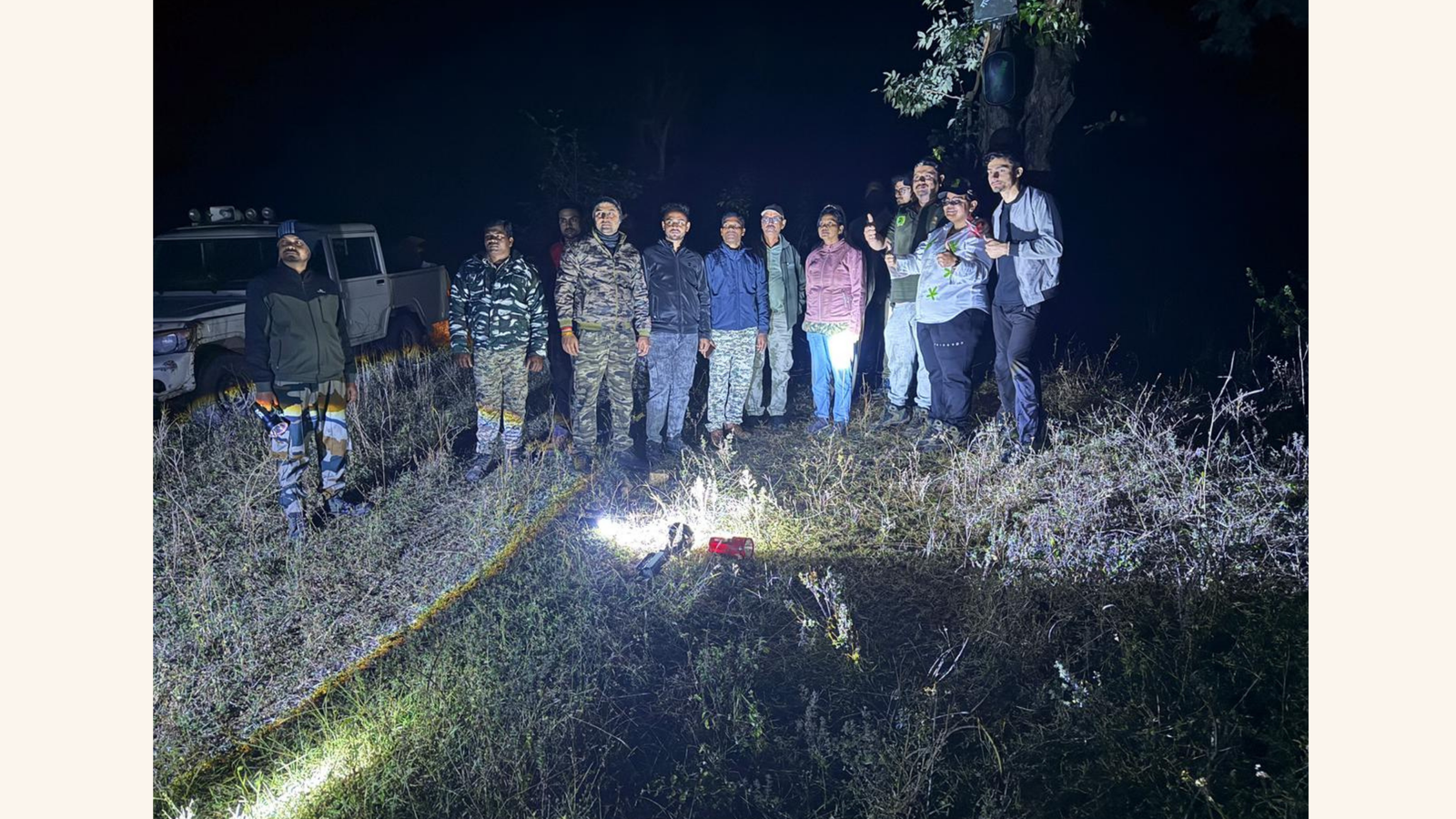
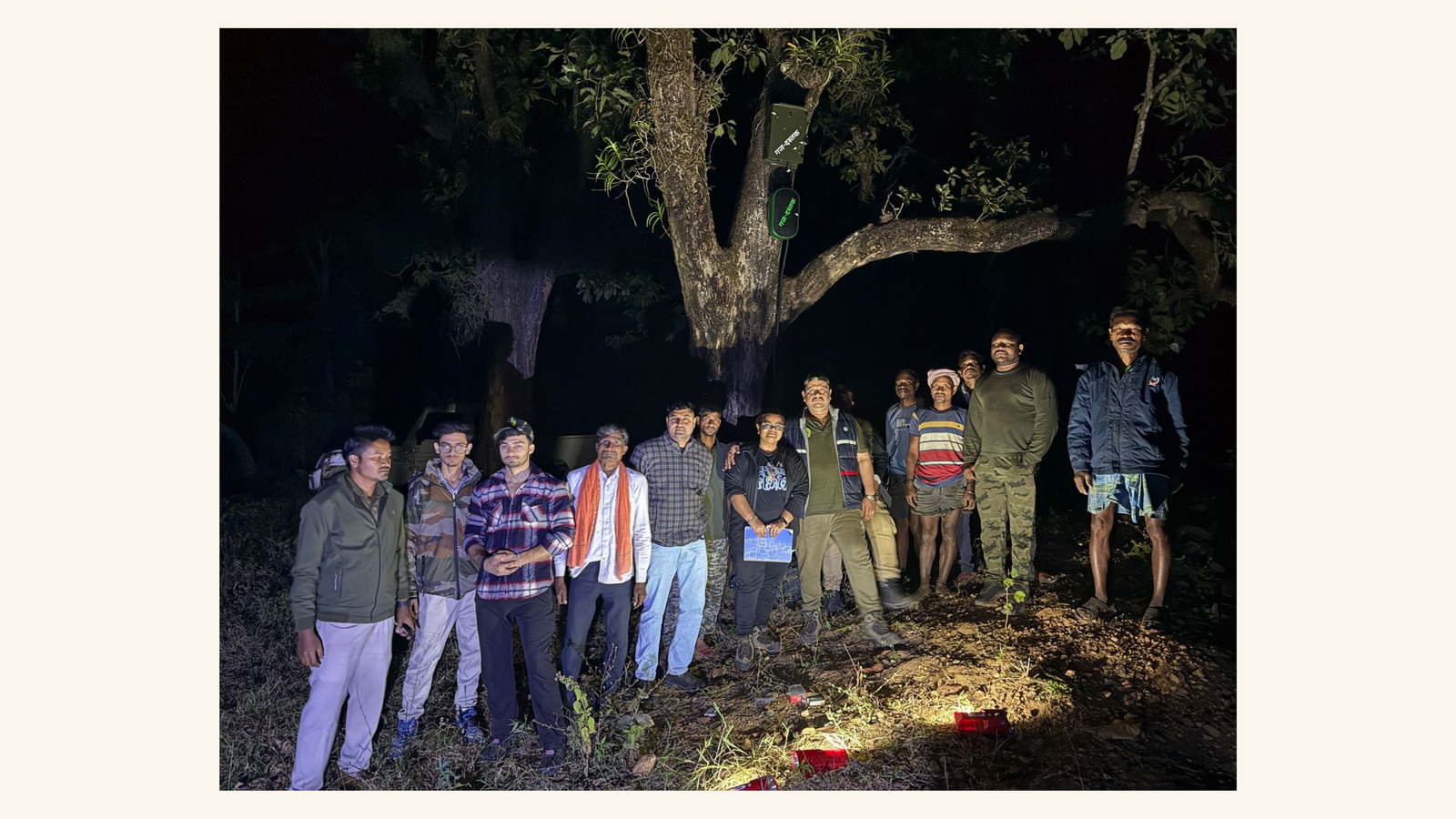
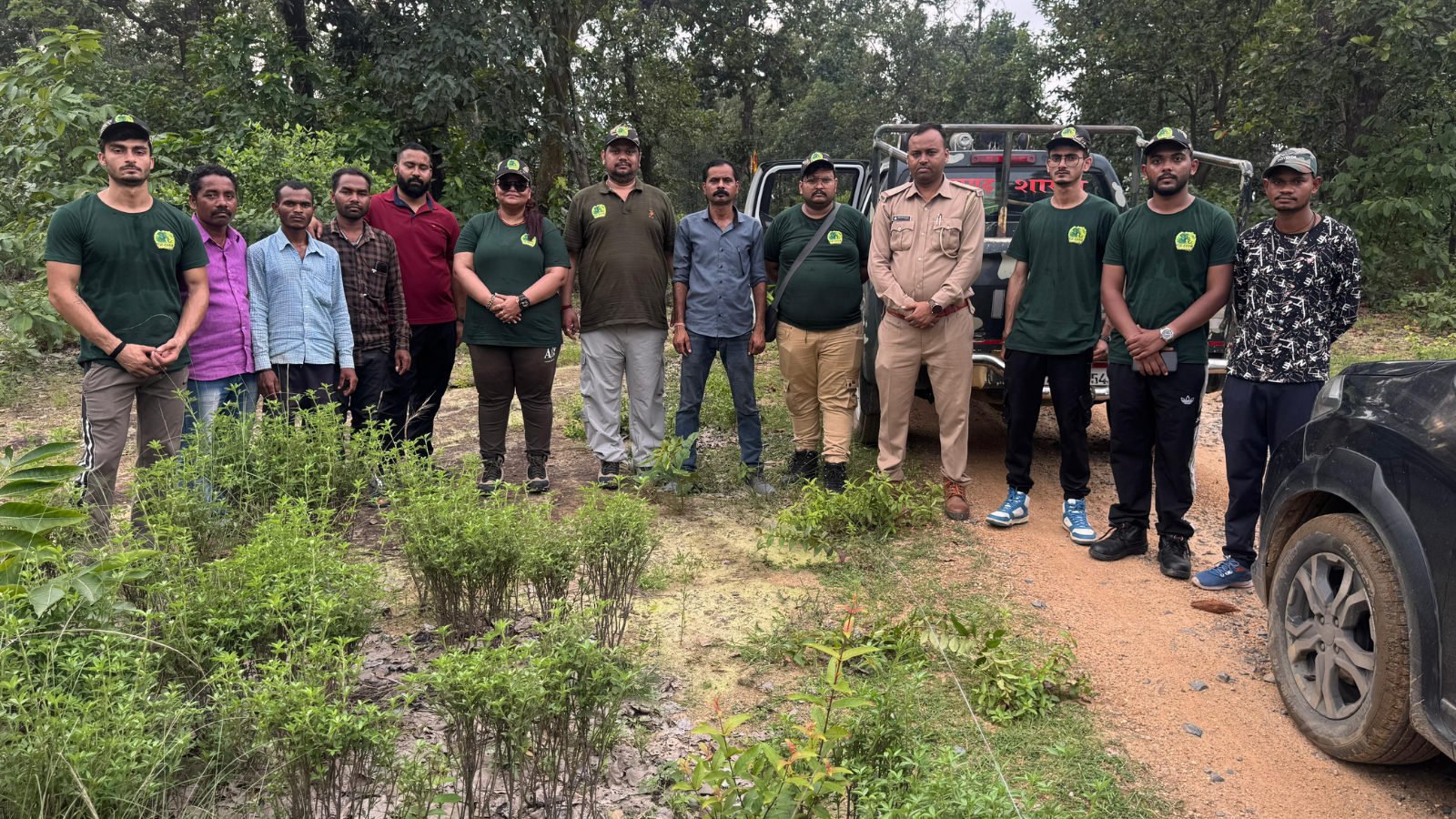
Extended field deployment of GAJ-DASTAK thermal AI detection system in Jashpur Forest Division, Chhattisgarh. CAMPA-funded. Forest department validated. The deployment that transformed a prototype into a government-approved system.
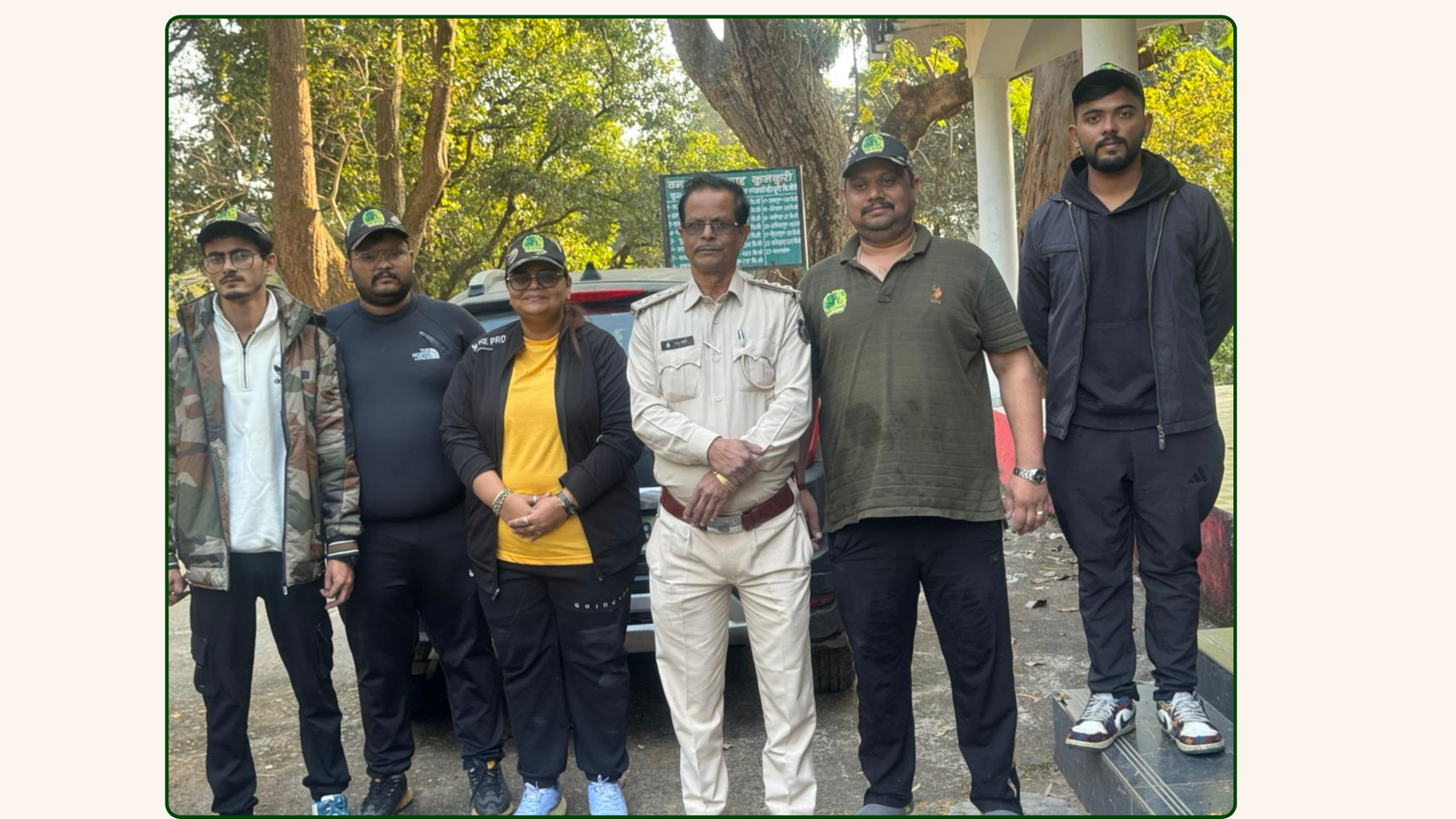
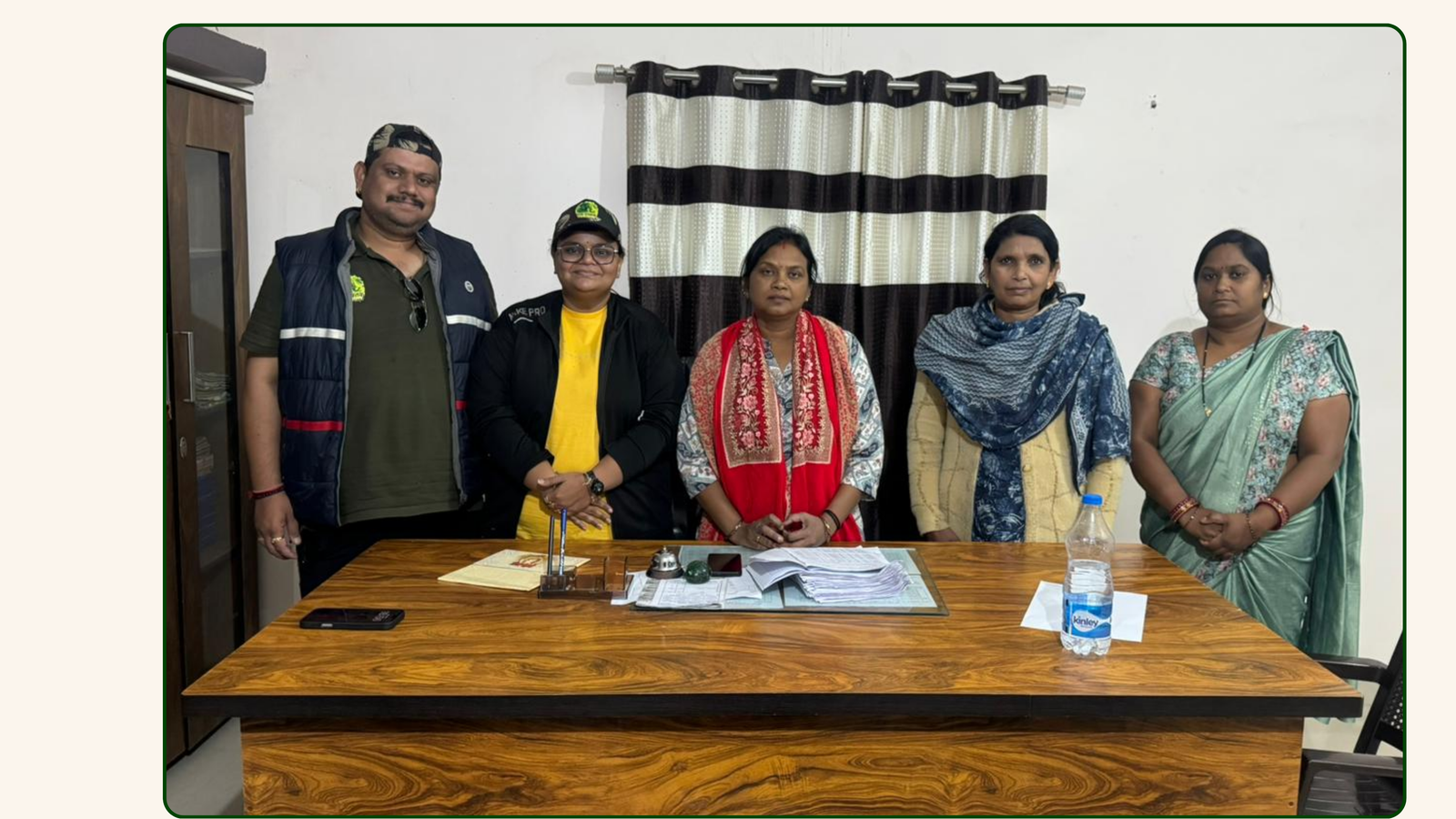
The Jashpur deployment was conducted under the oversight of senior Indian Forest Service officers, establishing GAJ-DASTAK as a government-validated human-elephant conflict mitigation technology.
Jashpur Division sits on one of Chhattisgarh's most active elephant movement corridors. Herds crossing from Jharkhand follow established routes through dense forest edges into agricultural land, arriving almost exclusively at night.
The consequences were predictable and devastating: crop raids destroyed livelihoods, night movement meant zero early warning, and human encounters carried lethal risk. Forest department teams patrolled on foot with torches and firecrackers — reactive measures that arrived after the damage was already done.
The core challenge: how do you detect a silent, dark-skinned animal moving through dense forest at night, before it reaches people and crops?
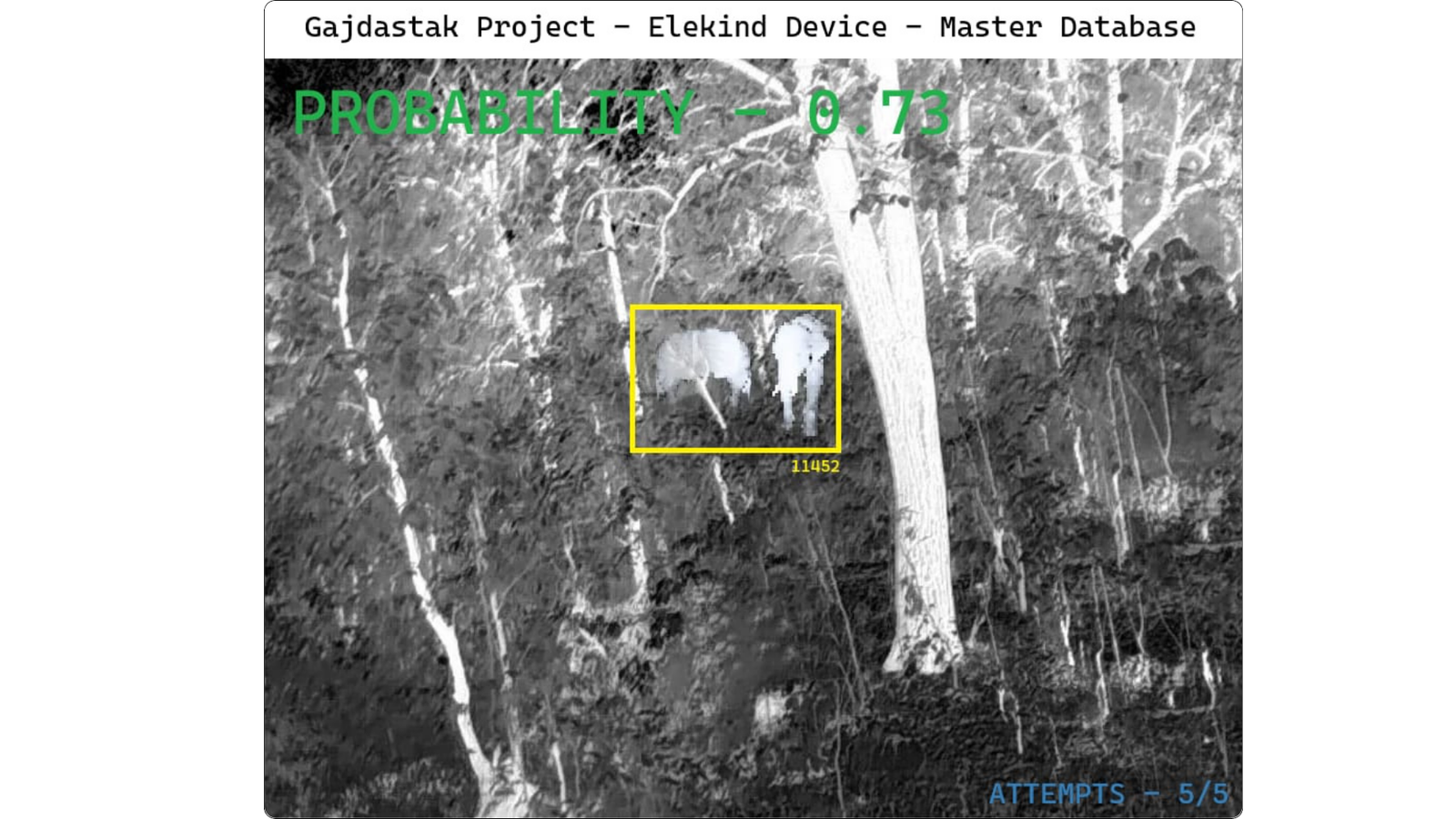
The GAJ-DASTAK system uses a high-resolution thermal camera paired with an edge AI processor running optimized inference models. Every frame is analyzed in real-time -- detecting elephant thermal signatures in complete darkness, through fog, dust, and light rain.
Thermal camera feed with AI overlay -- real-time detection analysis
Heat signature differentiation -- distinguishing wildlife from vegetation and terrain
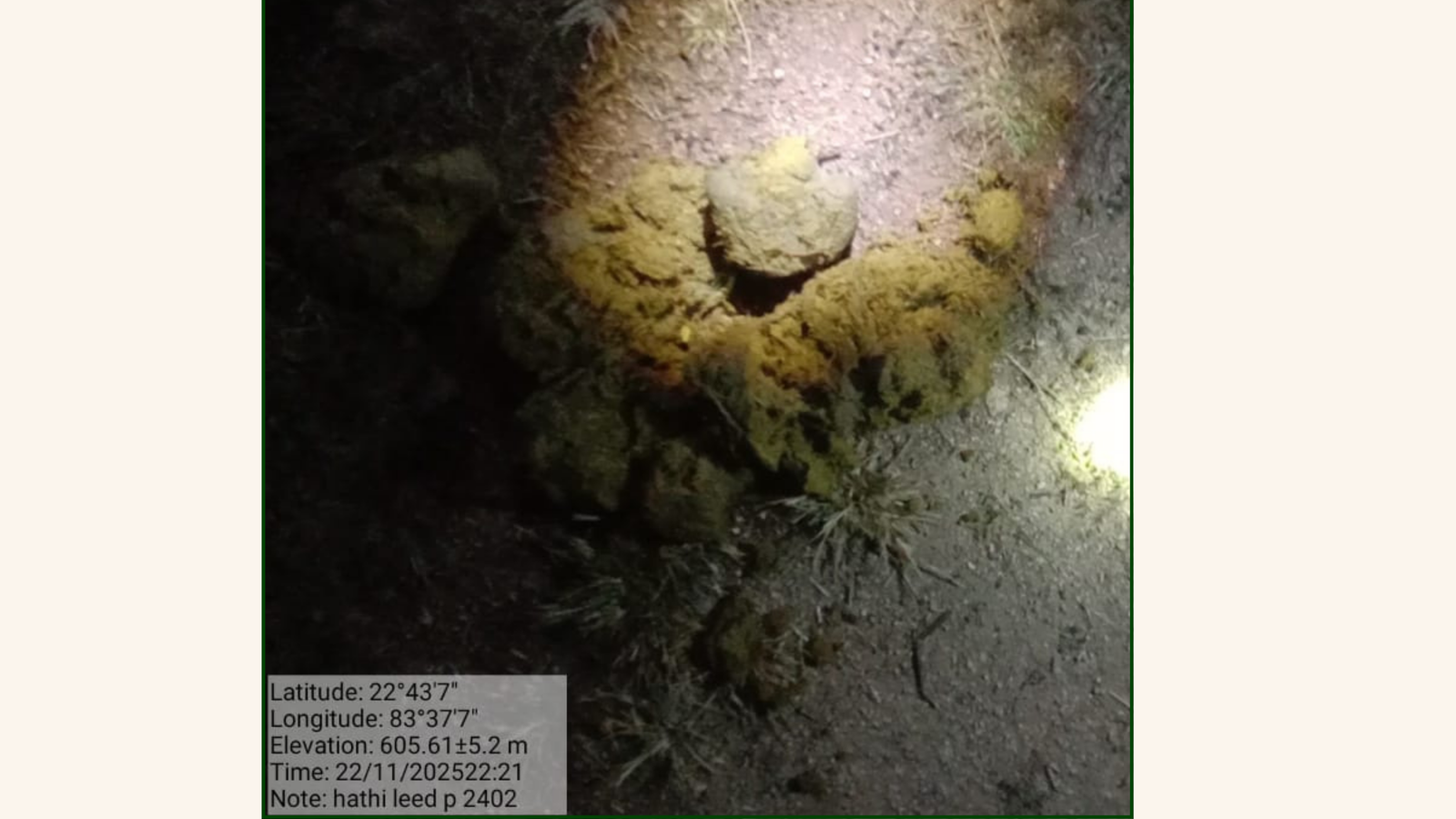
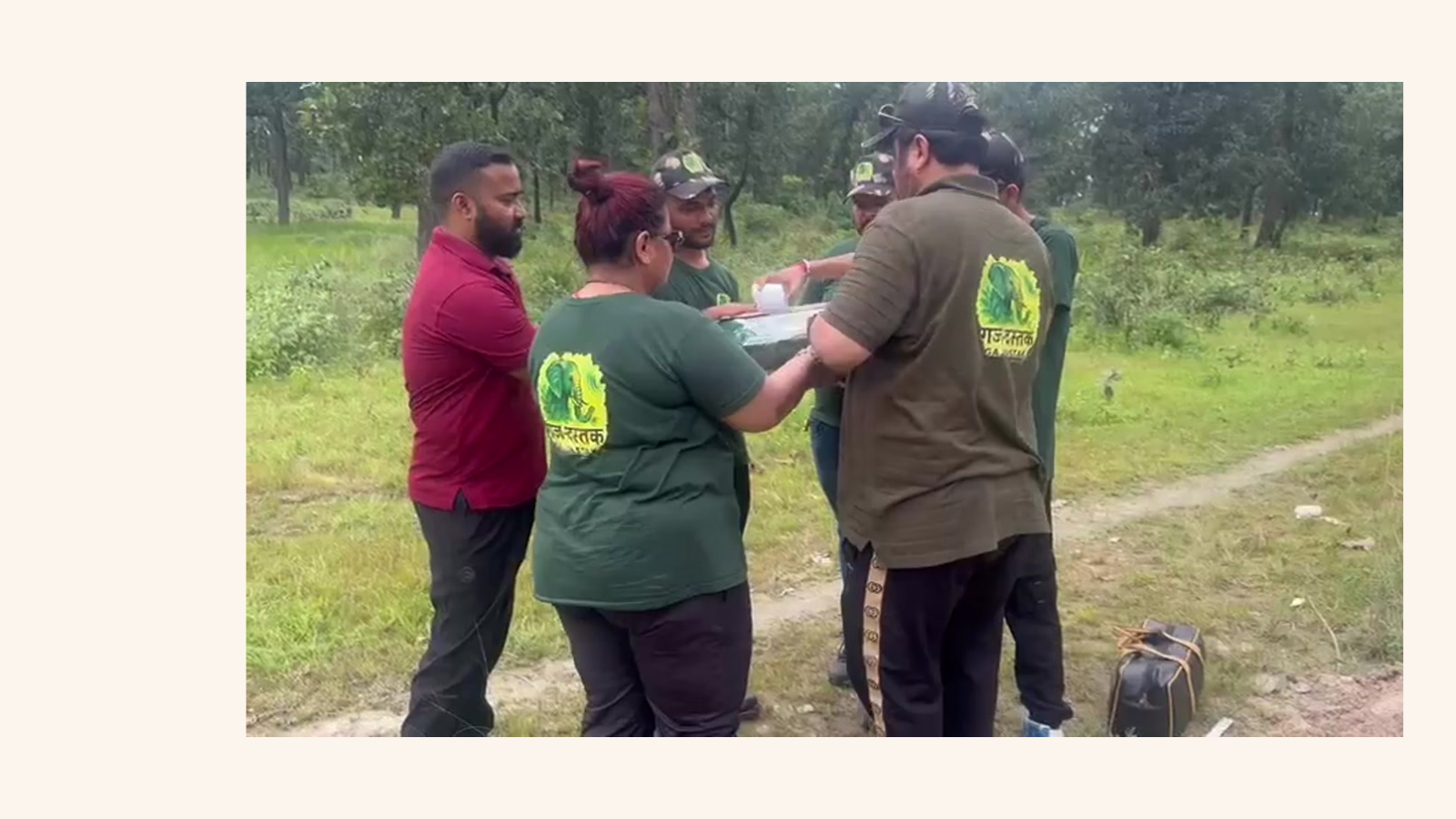
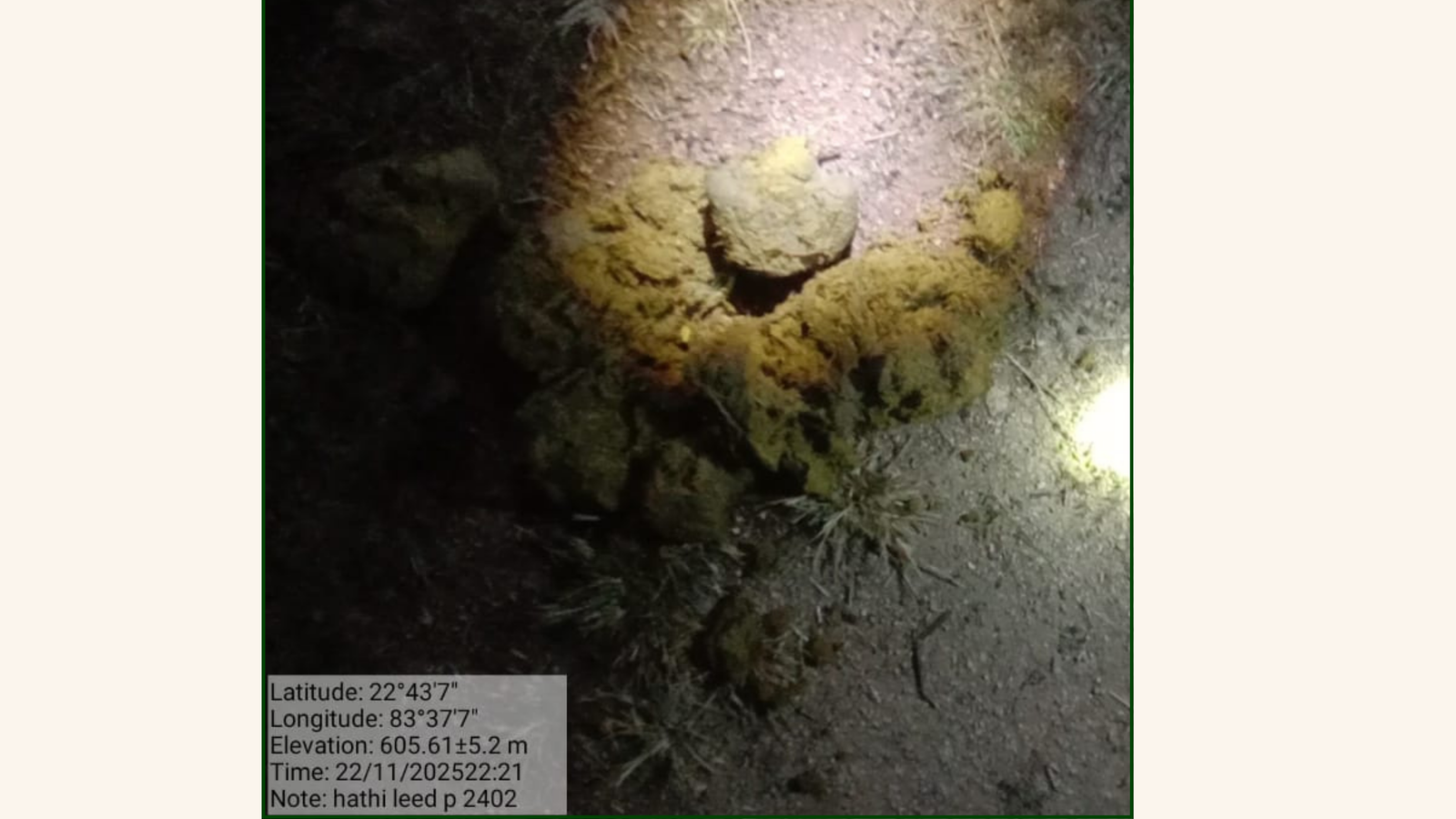
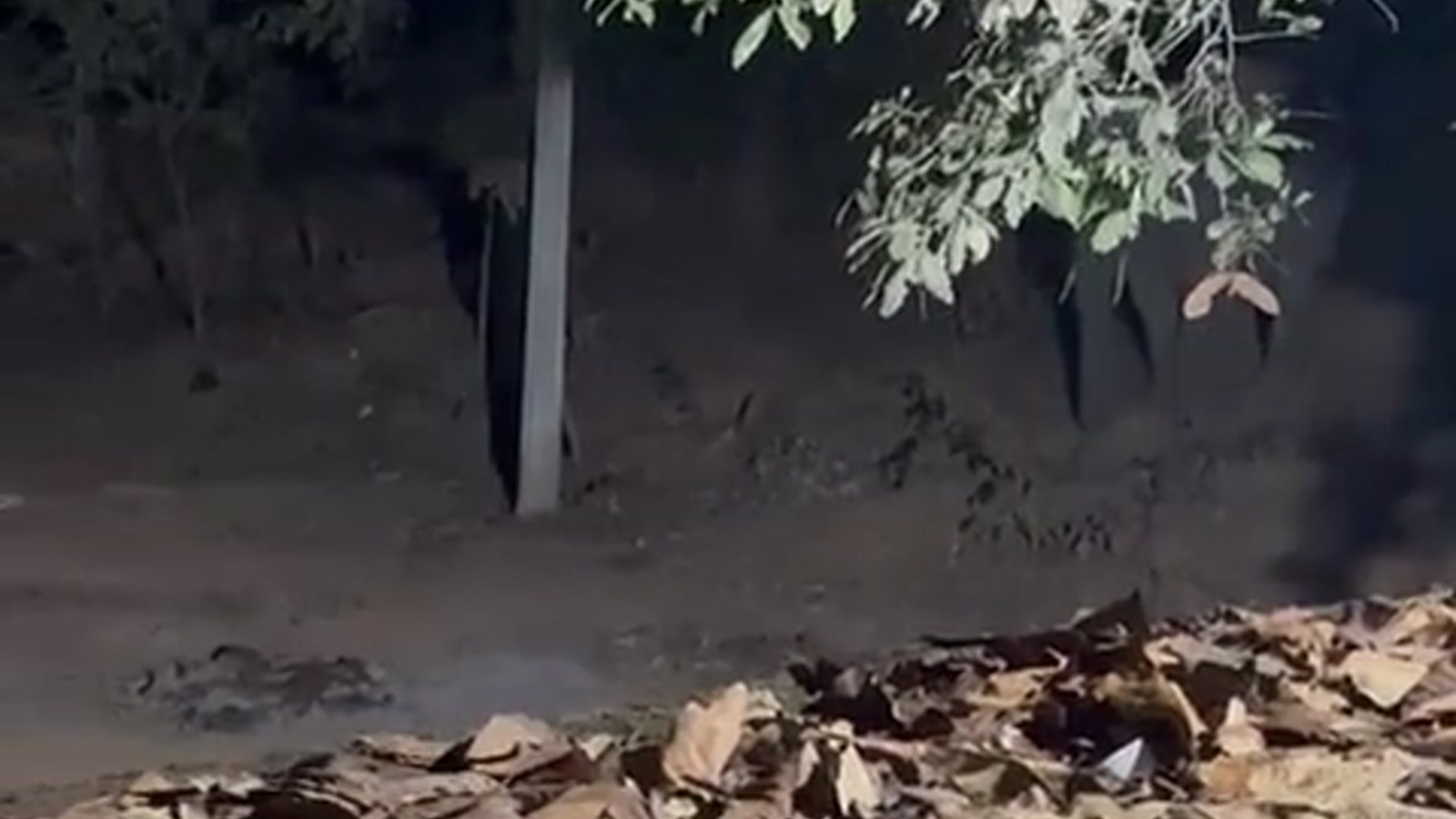
During the deployment period, the system registered thermal detections during nighttime hours. Ground teams dispatched to detection sites found corroborating physical evidence — elephant dung, fresh footprints, and vegetation disturbance — confirming that the AI system was detecting actual elephant presence.
During the deployment, the unit experienced an unexpected cable disconnection. Initial assessment considered wildlife damage, but detailed investigation revealed this was deliberate human interference, not elephant damage.
Key evidence: wires were selectively pulled and disconnected. There was no structural deformation to the enclosure or mounting hardware — damage an elephant would have caused. The disconnection pattern was consistent with deliberate human action.
This incident became a pivotal design lesson. It directly led to a fundamental hardware architecture change: all subsequent GAJ-DASTAK units were redesigned with fully internal cable routing. No exposed external wiring. Protected cable junctions with tamper-evident features.
Continuous autonomous operation, solar-powered, zero cloud dependency
Thermal AI detected elephant presence in complete darkness — impossible for human patrols
SMS alerts enabled rapid deployment of ground teams to confirmed detection zones
The cable tampering incident proved that exposed external wiring is a confirmed vulnerability. All subsequent units were redesigned with fully internal, protected cable paths. This is now a permanent design rule.
Detection quality changes significantly based on device position relative to the elephant movement path. Slight repositioning dramatically affects detection range and reliability. Site surveys before installation are essential.
A single unit cannot cover all approach paths. Elephants are adaptive — they can re-enter from alternate directions. Multi-unit coverage or mobile patrol units are needed for comprehensive perimeter protection.
The advanced thermal sensor experiences gradual drift over time, causing brightness and contrast shifts. Automated sensor calibration mitigates this but does not eliminate it. Model augmentation for thermal drift robustness is critical.
Jashpur was the deployment that transformed GAJ-DASTAK from a prototype into a government-validated system. The extended field trial proved that AI thermal detection could operate autonomously in real Indian forest conditions — surviving monsoon weather, thermal extremes, and even deliberate human interference.
The government validation letter and CAMPA work order approval (₹7,78,800) established the procurement pathway that other forest divisions could follow. It proved that this technology could be funded through existing government schemes — no special budget required.
Most importantly, Jashpur gave the forest department confidence. It led directly to the Raigarh Bangursia demonstration — a larger-scale validation that further cemented GAJ-DASTAK as a viable tool in India's fight against Human-Elephant Conflict.
Elephants move primarily at night. GAJ-DASTAK was purpose-built to operate in complete darkness -- thermal imaging sees what human eyes cannot.