

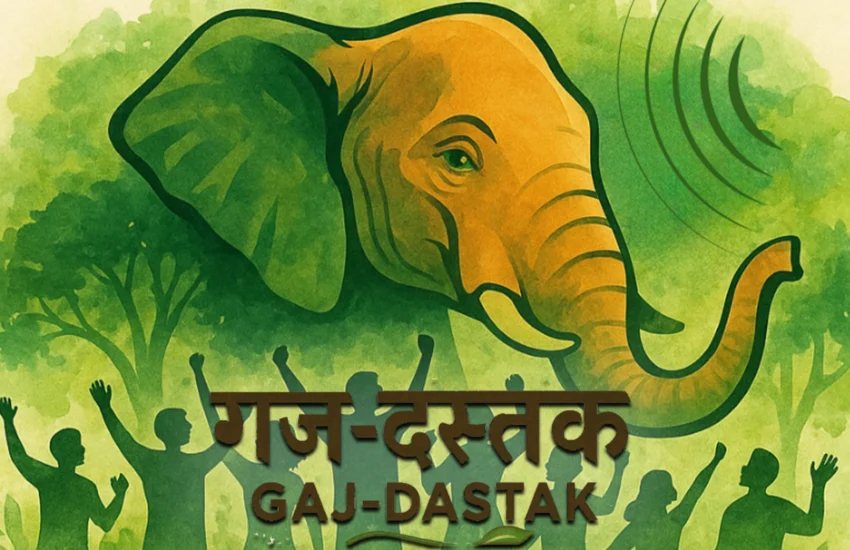
How Climate Change Impacts Elephants: Survival in
How Climate Change Impacts Elephants: Survival in a Warming World
The climate change affects elephants are increasingly profound, threatening their survival across Africa and Asia. As some of the planet’s most iconic and ecologically important animals, elephants face rising temperatures, water scarcity, shifting habitats, and changing food availability that together jeopardise their future. This article explores the multidimensional impact of climate change on elephants, highlighting how global warming disrupts their ecosystems and the urgent need for concerted conservation efforts.
Rising Temperatures and Elephant Vulnerability
Elephants, despite living in warm climates, are highly sensitive to temperature increases. They have limited physiological cooling mechanisms, relying primarily on water, shaded areas, and behaviours such as ear flapping and mud bathing to regulate heat. Rising global temperatures are pushing elephants closer and closer to their thermal limits:
-
Asian elephants thrive best around 23°C, but warming beyond this increases the risk of heat stress and death, especially in calves under five years old, where mortality rates nearly double on hotter days.
-
African elephants face habitat loss due to rising temperatures. For example, Zimbabwe is projected to lose 40% of its suitable elephant habitat by 2050 due to warming; similarly, Asian elephants may lose nearly 46% of their habitat by then.
-
Heat stroke is becoming a leading cause of death, especially for Asian elephants, who must constantly seek resources to cool down.
This temperature-driven stress not only affects individual elephants but also the long-term viability of herds by reducing reproductive success and calf survival.
Water Scarcity and Drought
Elephants depend heavily on vast quantities of water—up to 190 litres per day—to drink and maintain body temperature. Climate change is causing more frequent and severe droughts, which create dire scenarios for elephants:
-
Countries like Kenya, home to about 36,000 African elephants, are grappling with multi-year droughts considered the worst in decades. Drought has killed hundreds of elephants there, eclipsing losses from poaching.
-
In Zimbabwe’s Hwange National Park, drought killed over 200 elephants within just two months in 2019 alone.
-
Water shortages force elephants to travel farther for hydration, increasing their vulnerability to human conflict and exhaustion.
Diminishing water resources also reduce available mud for bathing and sun protection, further exposing elephants to heat stress and skin damage.
Habitat Changes: Fragmentation and Loss
Climate change is altering elephant habitats in several ways:
-
Changes in rainfall patterns cause desertification and shrink forest and grassland ranges, fragmenting the habitat into isolated patches.
-
Eastern and southern African elephants and Asian populations are facing significant range contractions due to these environmental pressures.
-
Agricultural expansion, partly driven by human adaptation to climate, accelerates habitat loss and increases risks for elephants as they invade croplands in search of food.
Fragmented habitats isolate elephant herds, reducing genetic diversity critical for adaptation and making herds more vulnerable to environmental and human pressures.
Impact on Elephant Migration and Behaviour
Elephants migrate seasonally in search of food and water. Climate change disruptions force them to:
-
Alter historic migration routes, pushing into human settlements and intensifying human-elephant conflict.
-
Travel longer distances, thus expending more energy and facing greater risks from exhaustion and predation.
-
Encounter barriers caused by increased agricultural lands, roads, and infrastructure, further complicating their movements.
These disruptions affect the social fabric of herds, critical for knowledge transfer and survival strategies, especially given elephants’ reliance on experienced matriarchs.
Role of Elephants in Ecosystems and Climate Mitigation
Elephants are ecosystem engineers:
-
They facilitate seed dispersal and maintain forest and savanna ecosystems by trampling dense vegetation, allowing sunlight penetration and promoting biodiversity.
-
By assisting in vegetation management, elephants promote higher carbon storage in forests, indirectly supporting climate mitigation.
-
Their decline due to climate impacts would cascade through ecosystems, causing reduced plant diversity and impaired ecosystem functions.
The loss of elephants would thus exacerbate the environmental impacts of climate change.
Differential Impact on Elephant Demographics
Studies highlight that older elephants are more vulnerable to climate threats:
-
Older elephants, who are linchpins in the herd’s social structure and knowledge base, face higher mortality from rising temperatures and drought.
-
Their loss weakens herd resilience, as younger elephants miss out on critical guidance for dealing with environmental challenges and migration.
Conservation efforts must consider this demographic vulnerability to enhance population stability.
Human-Elephant Conflict Intensified by Climate Change
As elephants roam farther due to shrinking natural habitats and water scarcity, encounters with humans increase:
-
Crop-raiding becomes more frequent, leading to economic losses and retaliation by farmers.
-
Conflicts result in injuries and deaths on both sides and contribute to elephant population declines outside of poaching and environmental causes.
Mitigating this conflict is essential as climate pressures mount.
Conservation and Adaptation Strategies
To aid elephant survival in a warming world, multifaceted approaches are required:
-
Protect and restore critical elephant habitats and corridors to allow free movement and gene flow.
-
Manage water resources strategically in elephant ranges, including building water points in protected areas.
-
Promote community-based conservation that helps humans coexist with elephants through education and benefits from conservation efforts.
-
Integrate climate adaptation into elephant conservation plans, anticipating habitat changes and mitigating conflict zones.
-
Continue global efforts to combat climate change itself, as elephants are both victims and vital agents in ecosystem carbon cycling.
Conclusion
Climate change’s effects on elephants—from rising temperatures and drought to habitat loss and conflict—are profound and multifaceted. These majestic creatures face increasing risks that challenge their survival and threaten the ecosystems they sustain. However, with timely, coordinated conservation efforts that address both climate impacts and human-elephant coexistence, there remains hope for safeguarding elephants in a rapidly warming world.
The fate of elephants serves as a bellwether for the health of many of the planet’s ecosystems and underscores the urgency of addressing climate change comprehensively.
