Elephants, Humans, and Harmony: The gaj dastak
Elephants, Humans, and Harmony: The Gaj Dastak Vision for Coexistence
In the heart of India, a gentle revolution is transforming how humans and elephants share space. Gaj Dastak—a pioneering initiative built on compassion and technology—is creating new pathways for peaceful coexistence between people and pachyderms. It’s a story of understanding, innovation, and shared hope for both communities and wildlife.
Understanding the Need for Coexistence
India holds more than 60% of Asia’s wild elephants, and states like Chhattisgarh have become vital regions for their long-term survival. Yet expanding agriculture, shrinking forests, and fragmented corridors have increased human-elephant encounters. The consequences—damaged crops, loss of lives, and retaliatory harm to elephants—highlight the urgent need for balance.
Gaj Dastak steps into this space with a mission that goes beyond conflict management. It aims to nurture coexistence through awareness, collaboration, and scientific approaches.
What Is Gaj Dastak?
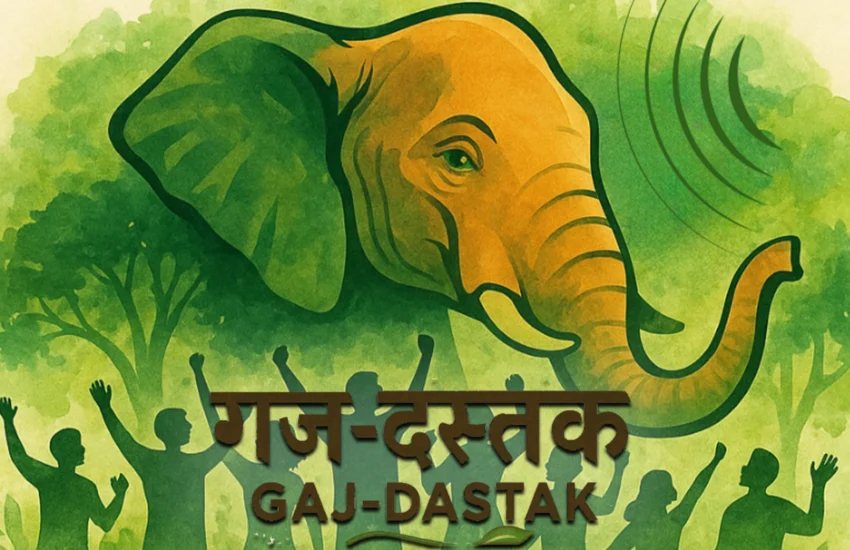
Gaj Dastak, meaning “The Knock of the Elephant,” is a community-centered initiative designed to minimize human-elephant conflicts and promote harmony. Operating across key elephant ranges—especially in Chhattisgarh, where wild elephant populations have been expanding—the campaign blends traditional knowledge with modern innovation.
By integrating Wildlife Technology in India—such as real-time tracking and early warning systems—Gaj Dastak empowers villagers to respond swiftly and safely to elephant movement, protecting both their livelihoods and the elephants themselves.
The Role of Wildlife Technology in India
Modern technology has become the cornerstone of effective conservation. In Gaj Dastak, it serves as a bridge connecting people and wildlife.
-
GPS Tracking Collars: These devices provide forest officials with real-time data on elephant movements, enabling timely alerts to nearby communities.
-
SMS and App-Based Alerts: Villagers receive instant notifications about elephant presence, reducing surprise encounters and preventing damages.
-
Drone Surveillance and AI Tools: Advanced drones and AI analytics track herds, forecast migration routes, and enable proactive protection.
Together, these tools represent a new frontier in Wildlife Technology in India—one that is data-driven, inclusive, and community-powered.
Empowering Communities: The Human Side of the Gaj Dastak Vision
While technology provides precision, people provide purpose. Gaj Dastak’s foundation rests on empowering local communities. Through awareness campaigns, volunteer training, and rapid response teams, the initiative turns conservation into a collective goal.
In Chattisgarh, villagers learn to observe elephant behavior, use safe deterrents like torchlights and drums, and participate in monitoring networks. By positioning local people as protectors, Gaj Dastak transforms potential conflict areas into corridors of coexistence.
Harmony in Action: Success Stories from Chhattisgarh
The results are visible across parts of northern Chhattisgarh, where Gaj Dastak has significantly lowered crop loss and casualties. Villagers now see elephants not as intruders but as neighbors sharing the same forests and rivers.
In schools, children learn about the ecological role of elephants, while local artists celebrate the species through folk art and cultural expression. This shift in perspective reflects more than just policy success—it represents a social transformation rooted in respect and shared identity.
The Bigger Picture: Toward a Future of Coexistence
Gaj Dastak is more than a program—it’s a vision that unites empathy, science, and participation. It aligns seamlessly with India’s broader goals of biodiversity conservation and sustainable development.
As the nation integrates modern technology with traditional wisdom, Gaj Dastak stands as a living example of how communities can protect nature while enhancing their own resilience.
Conclusion: Walking Together Toward Harmony
The Gaj Dastak movement illustrates that harmony between humans and elephants is not just achievable—it is essential. Through collaboration, awareness, and intelligent use of Wildlife Technology in India, coexistence becomes not merely an idea but a way of life.
In every footstep of an elephant lies the rhythm of nature’s grace; in every human act of understanding lies a promise—a promise of hope, coexistence, and balance for generations to come.
